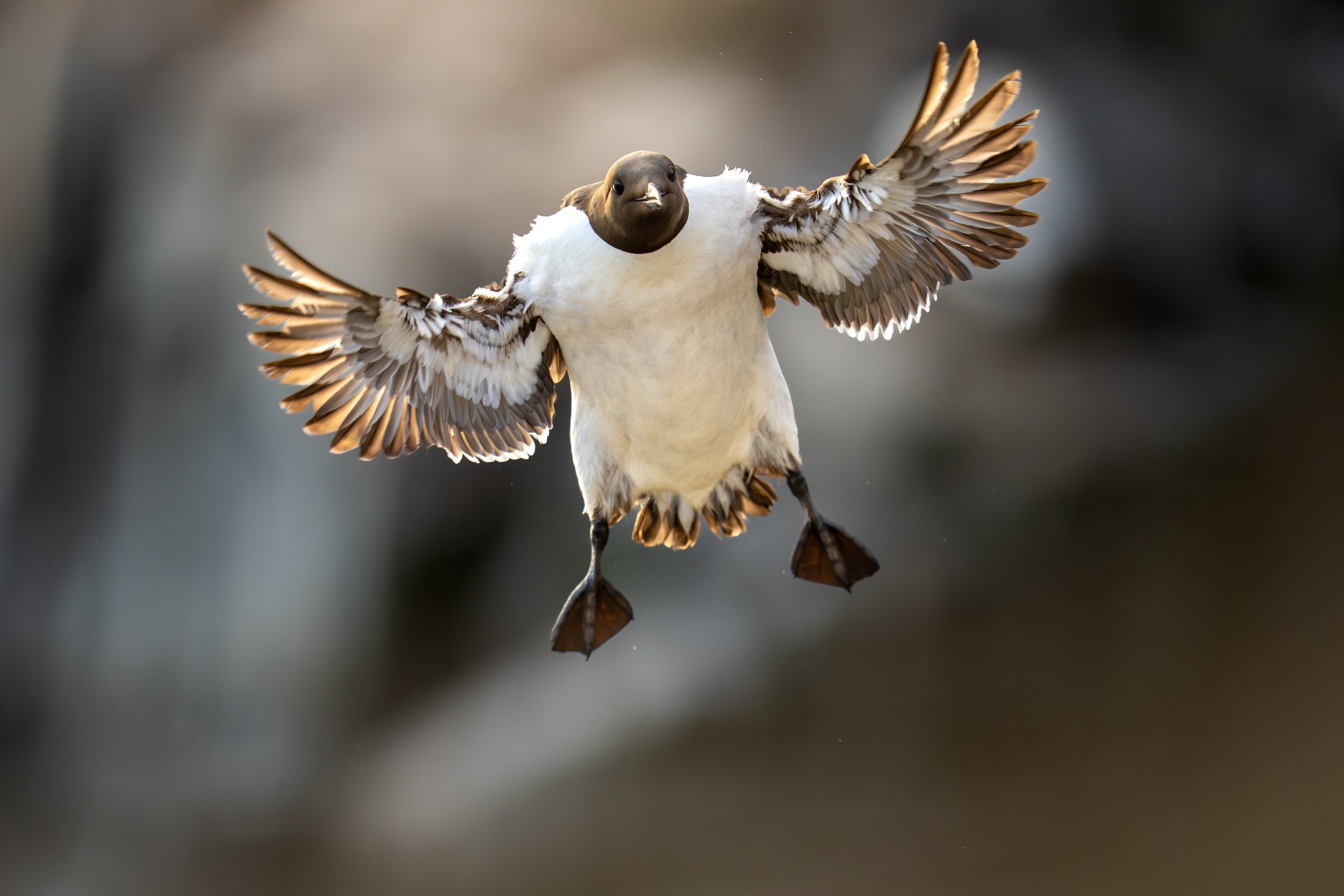
Perched at the edge of the North Atlantic, Newfoundland and Labrador is a place defined by motion — wind, tide, and wings. Each summer, millions of seabirds return to its rugged cliffs and island sanctuaries, transforming the coastline into one of the most dynamic wildlife gatherings for anyone who loves photographing birds.
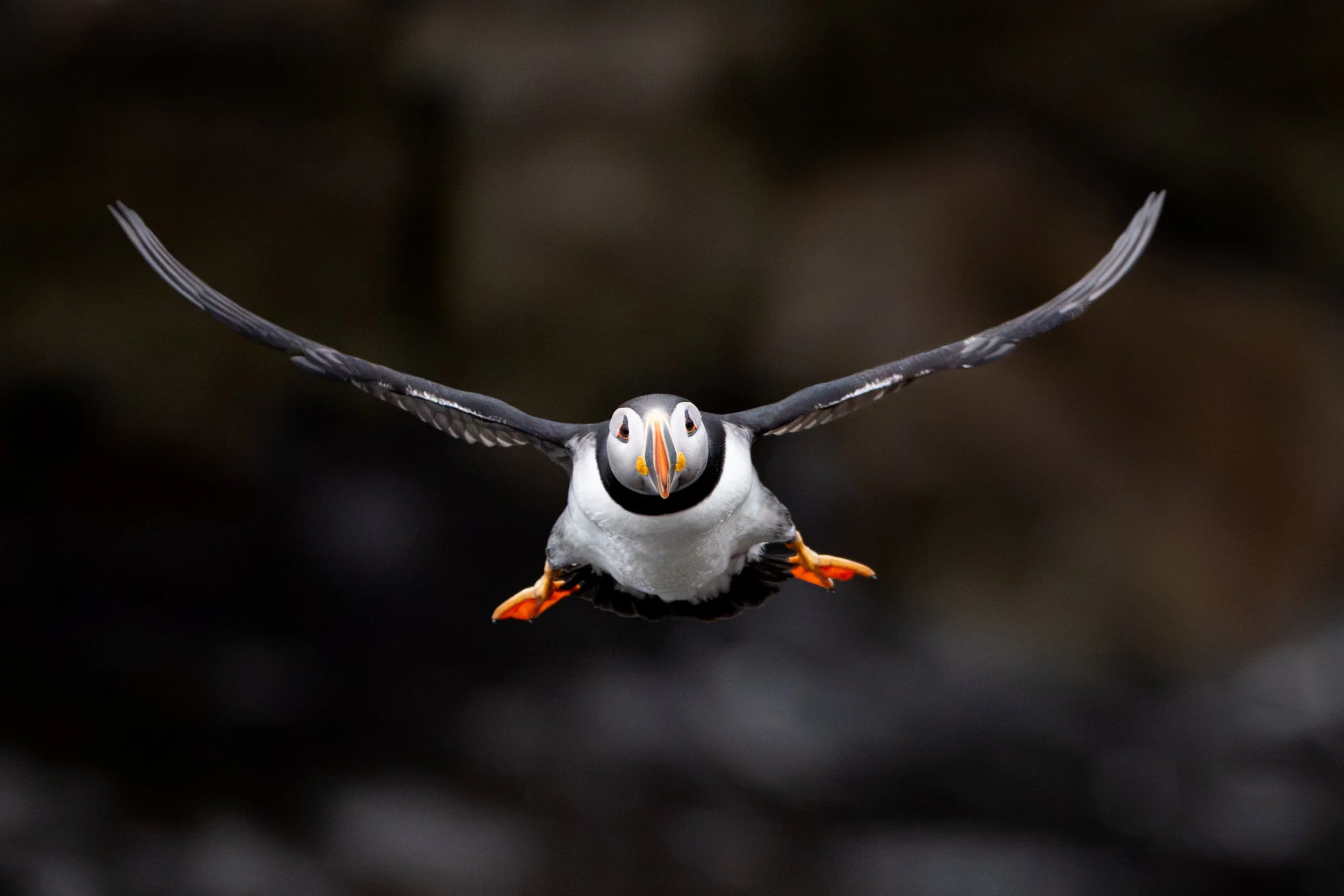
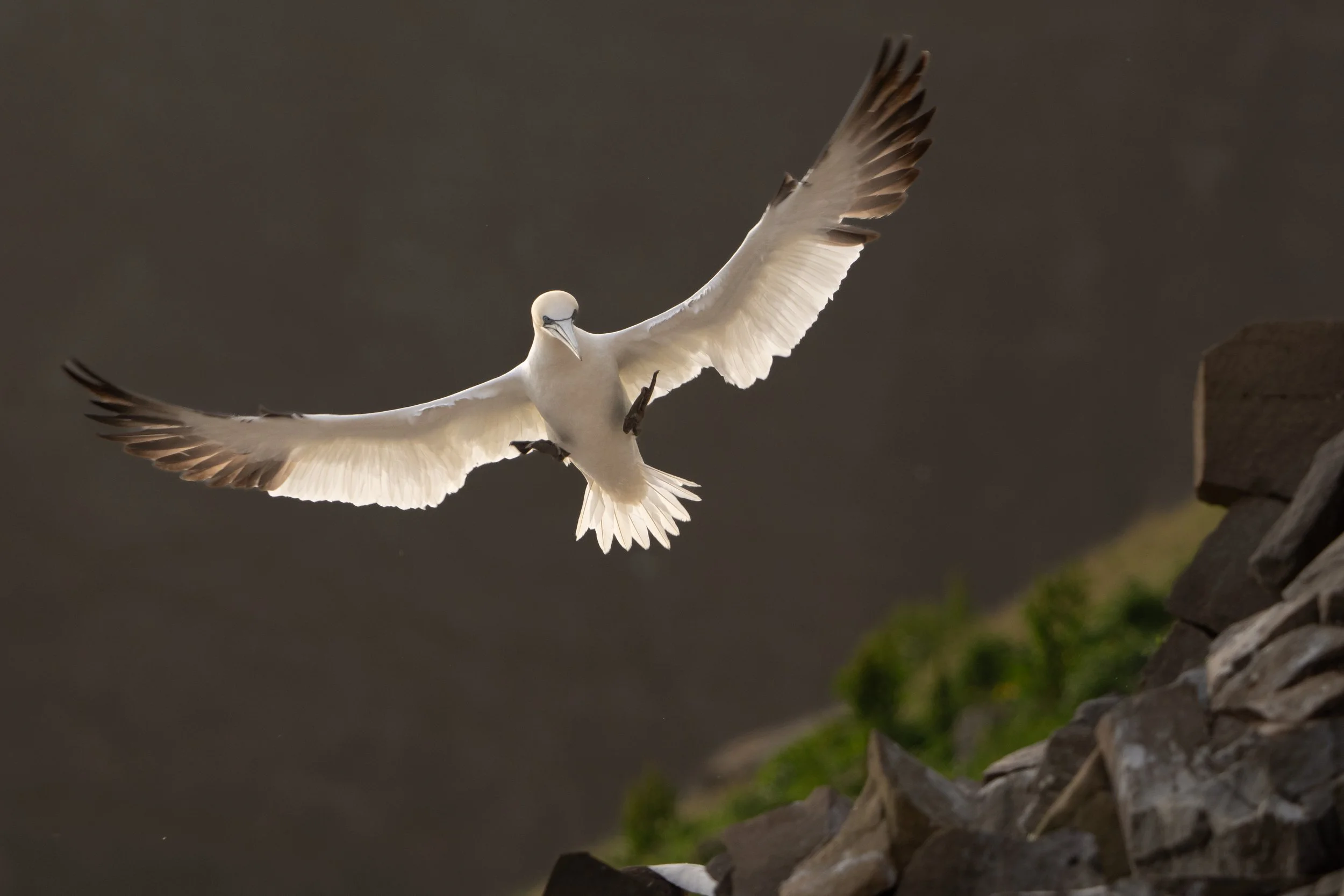
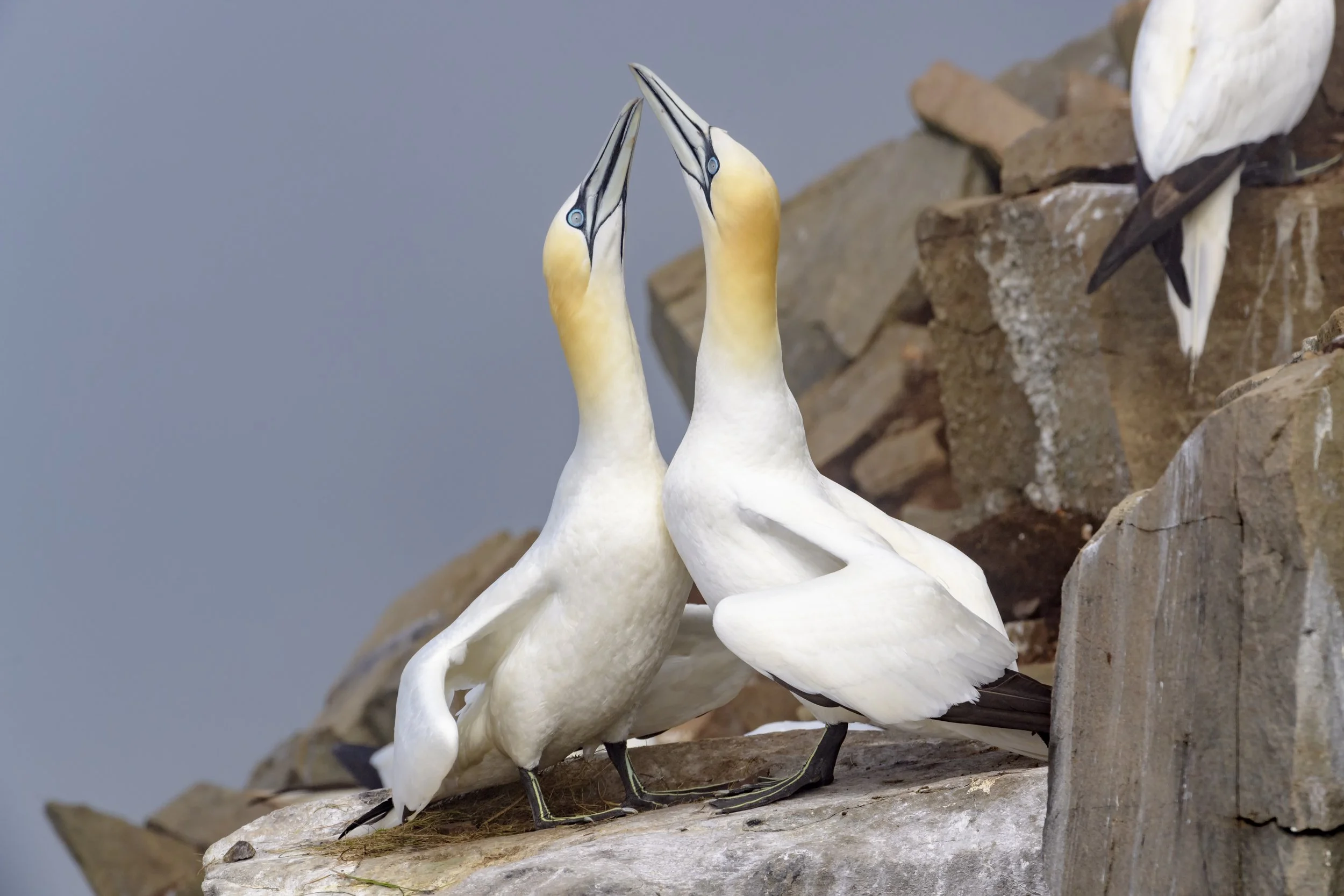
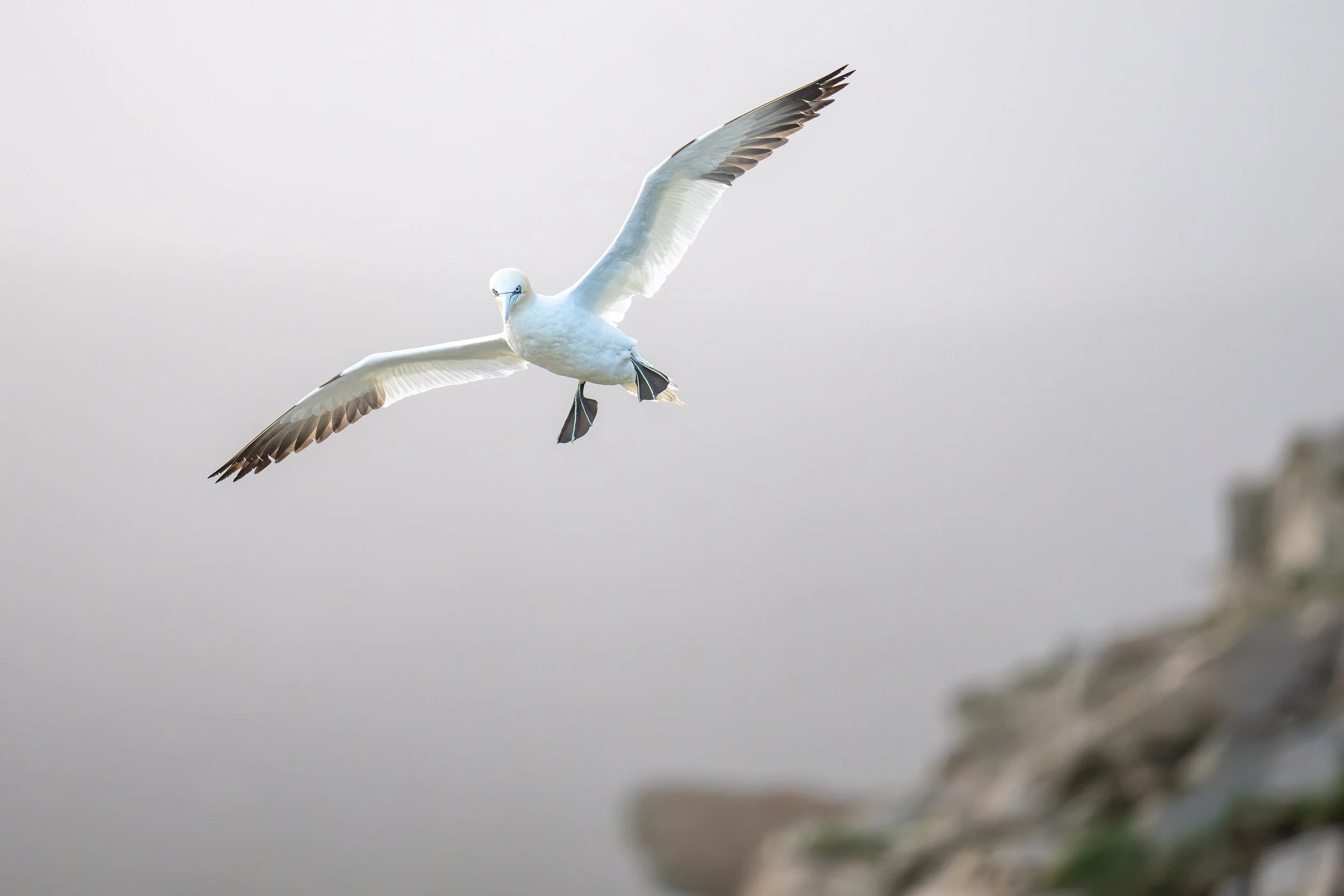
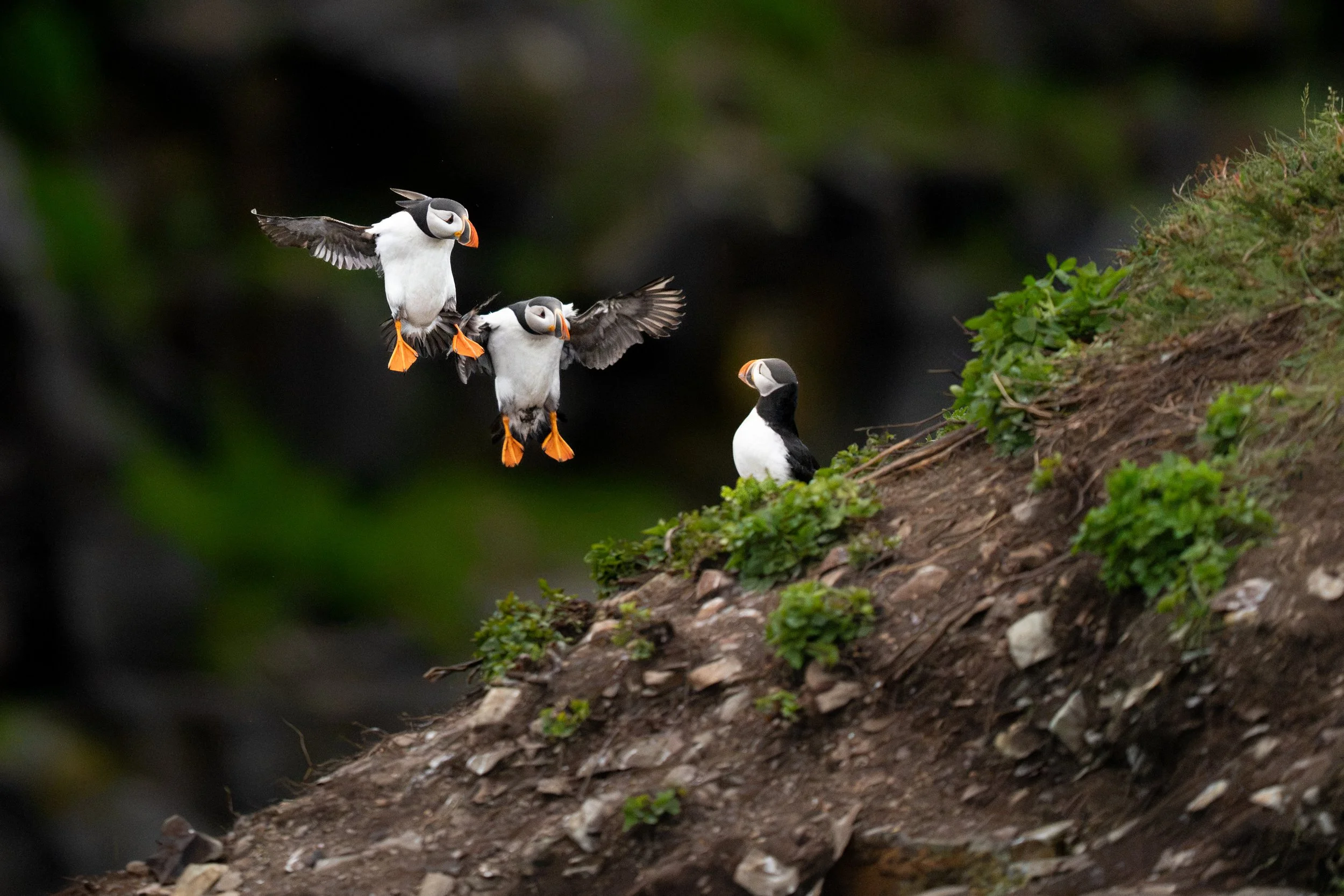
Northern gannets plunge like arrows through curtains of sea spray, striking the water with impossible precision. Puffins, their wings a blur of determination, ferry fish back to their burrows in the cliffs. Beneath them, humpback whales rise and lunge in the same glittering waters, following the pulse of the capelin run.
Our journey begins in St. John’s, where brightly painted row houses spill down to the harbor and the Atlantic horizon feels endless.
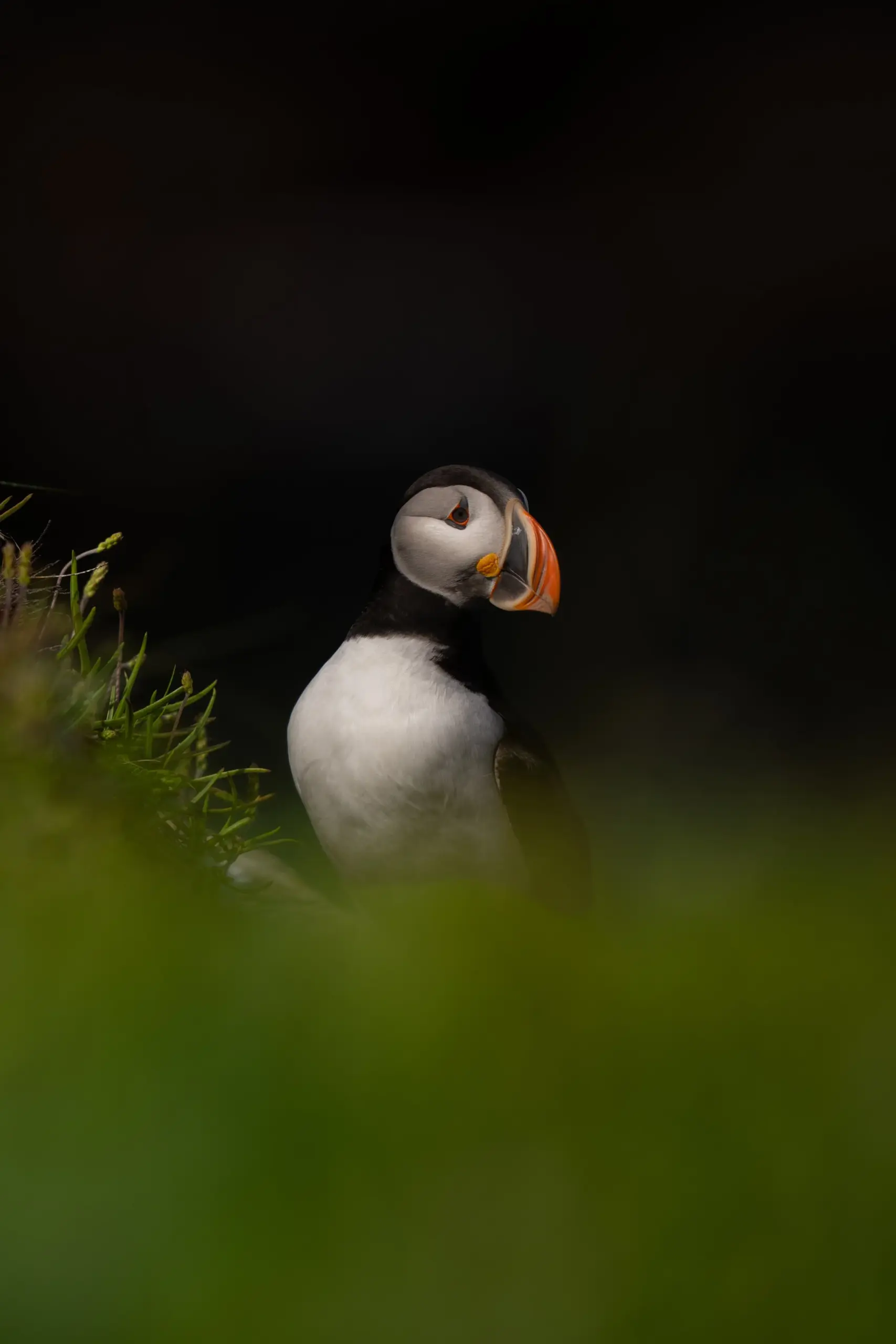
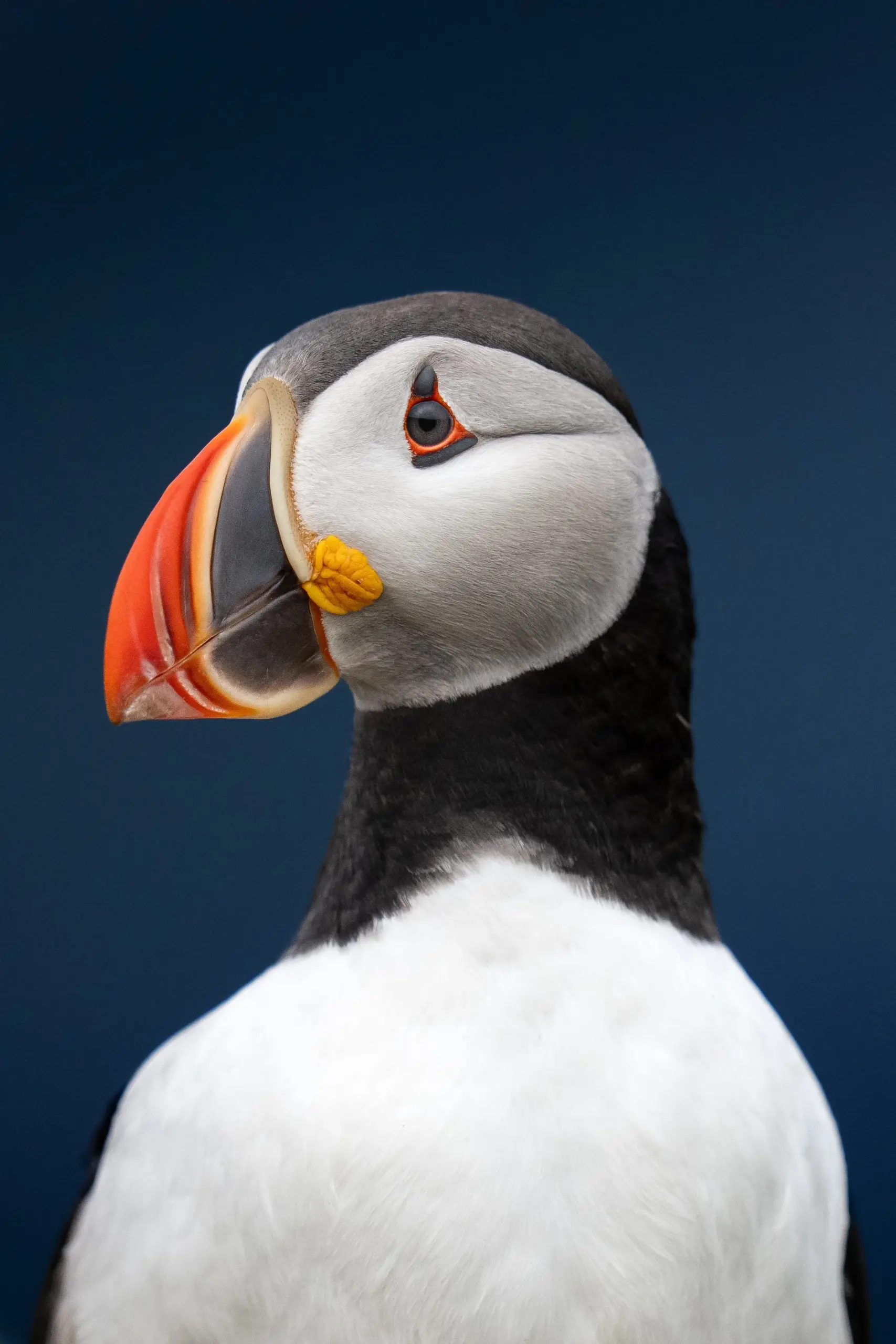
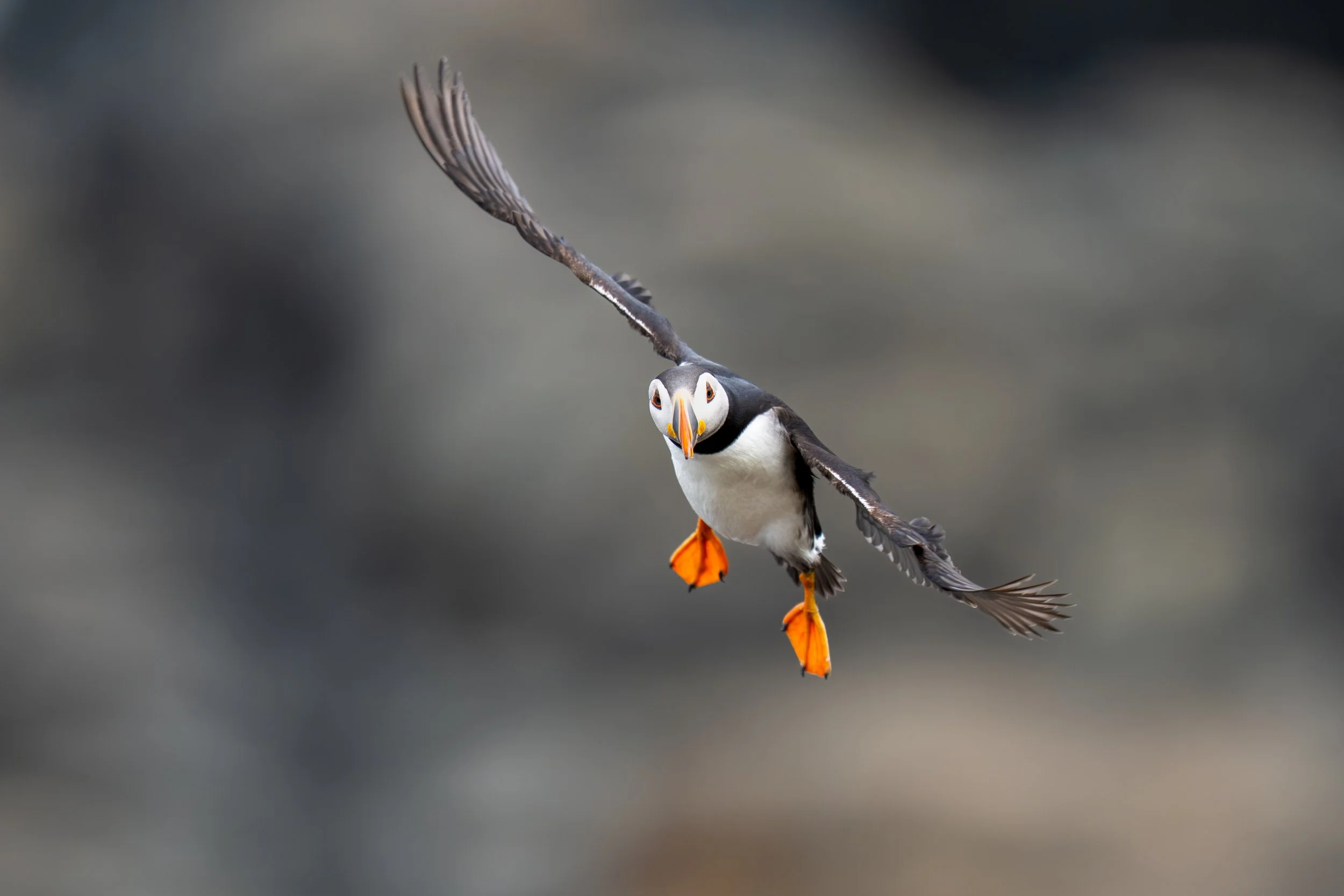
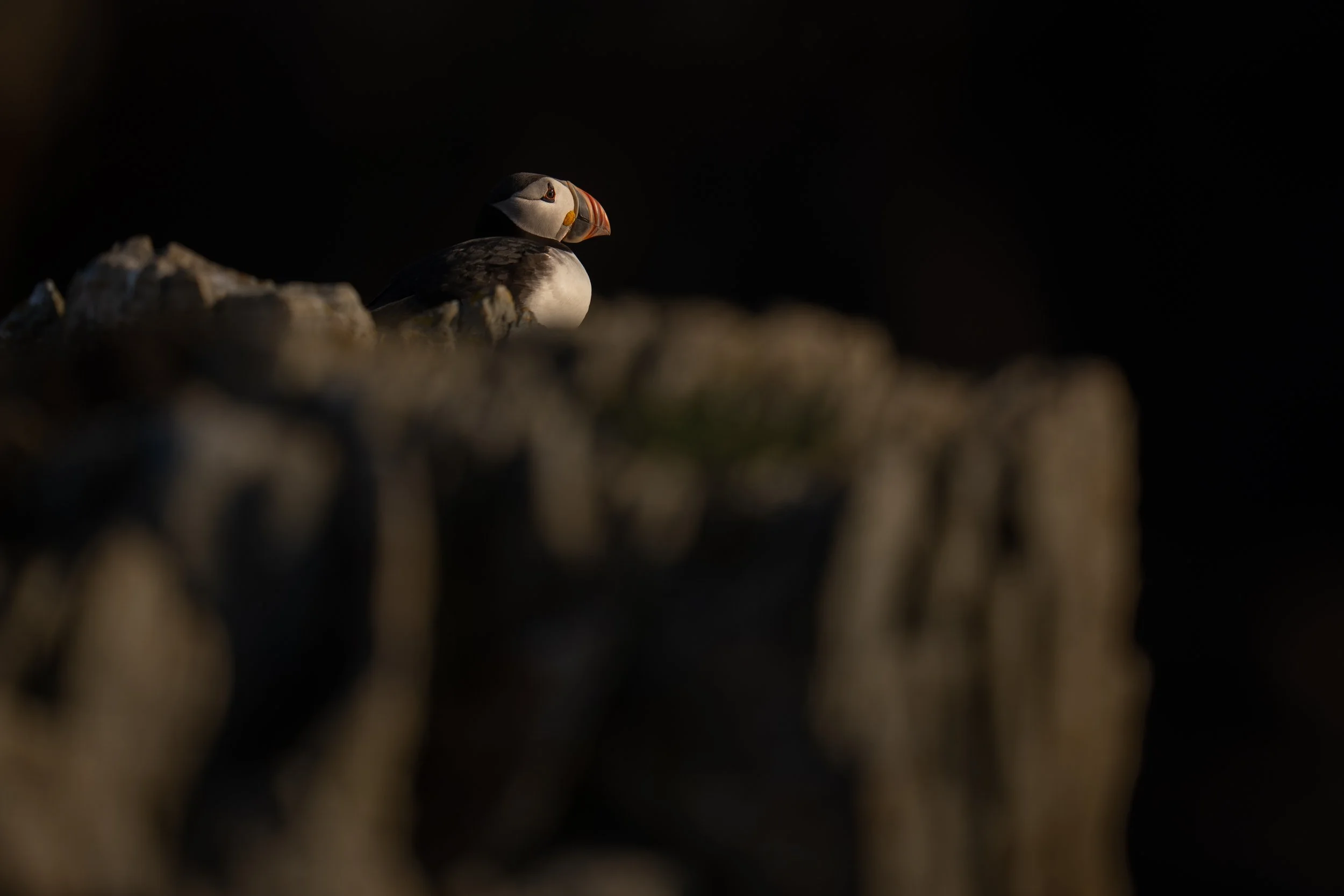
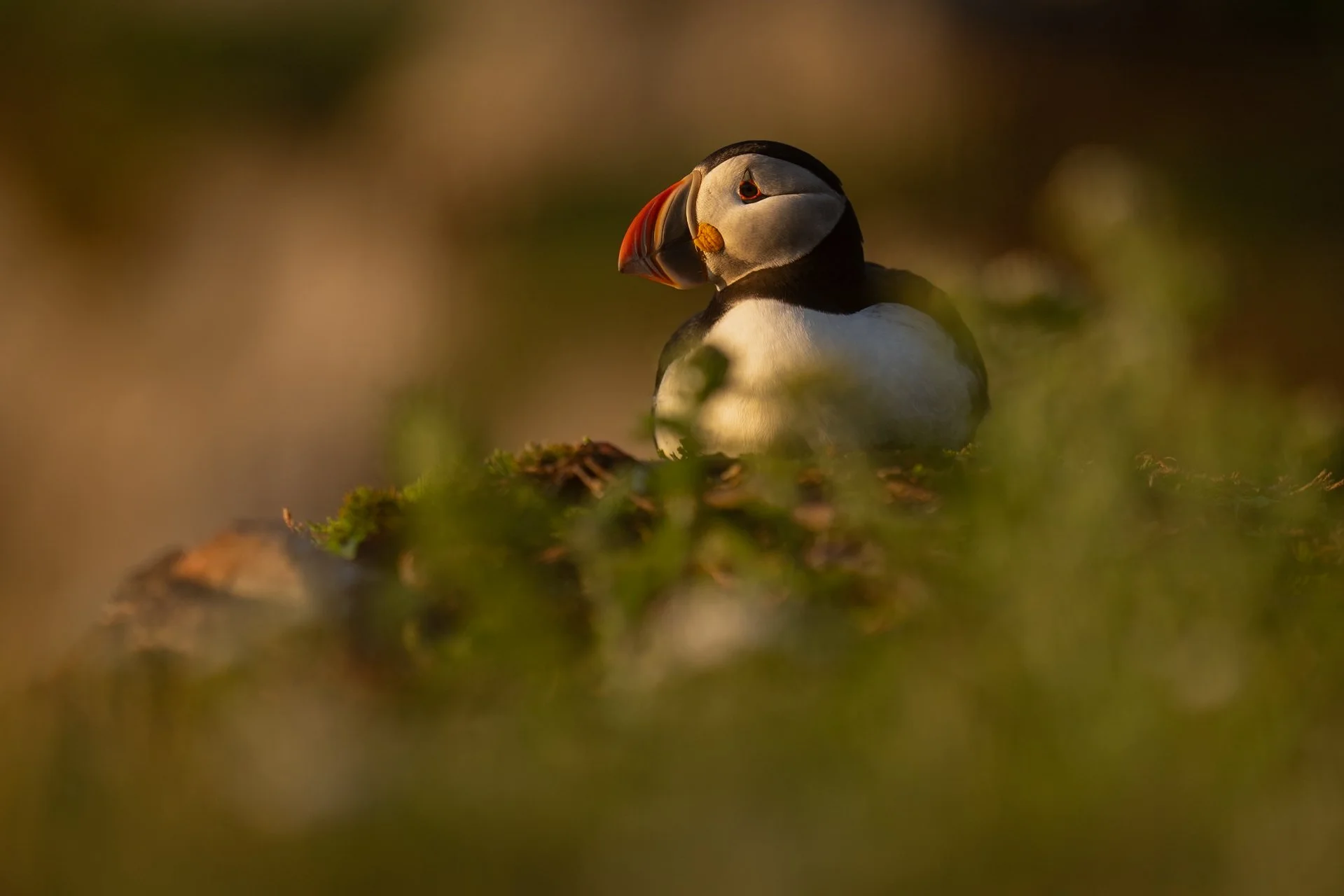
From here, we’ll explore the windswept beauty of the Avalon Peninsula, devoting our first three sessions to photographing Atlantic puffins in one of the most accessible and charismatic colonies in North America.
We’ll work different light and weather conditions, from soft morning fog to the golden slant of evening, capturing both intimate portraits and the dizzying spectacle of birds in flight. We’ll do four sessions (two each AM/PM), and overnight in Bonavista for two nights.
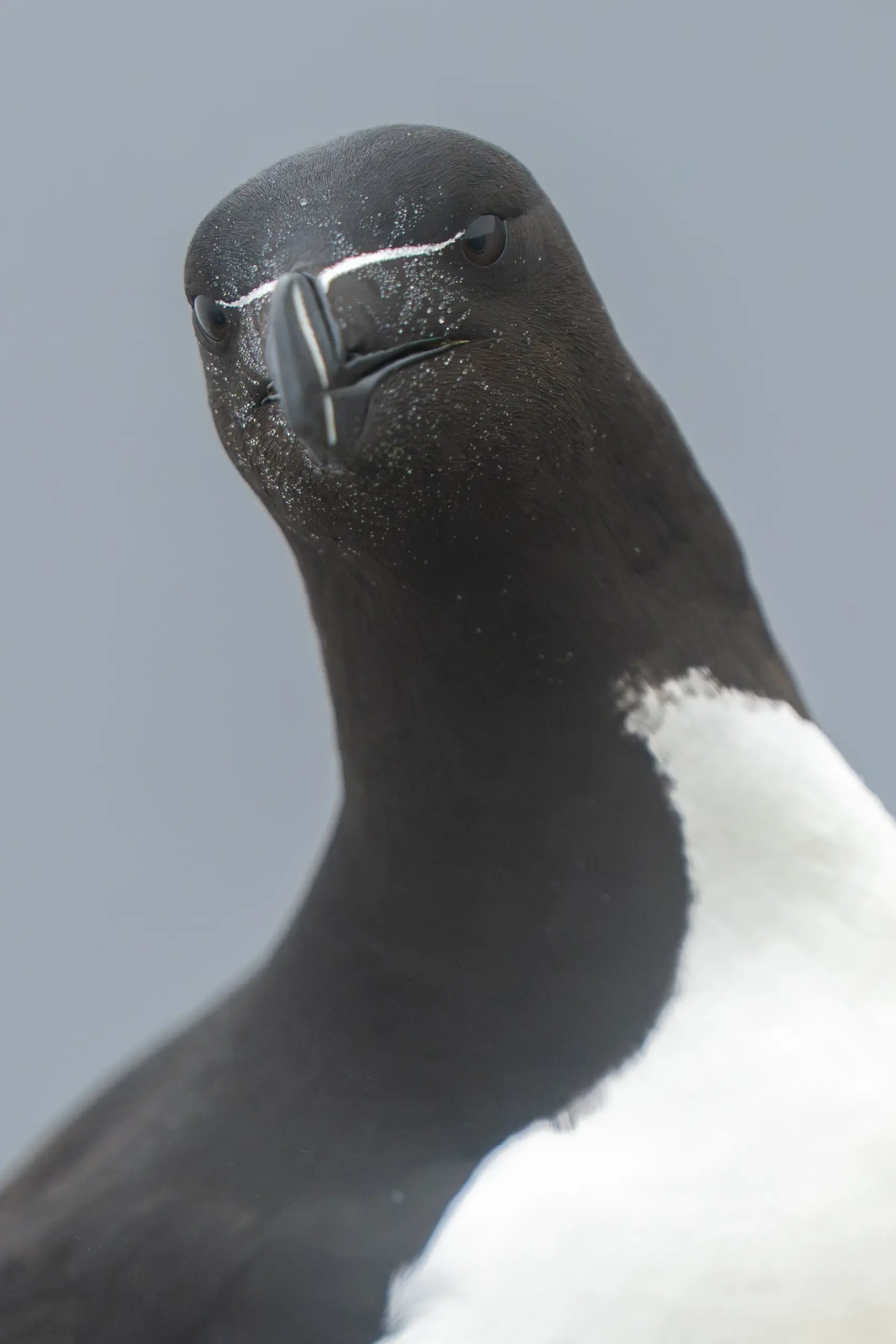
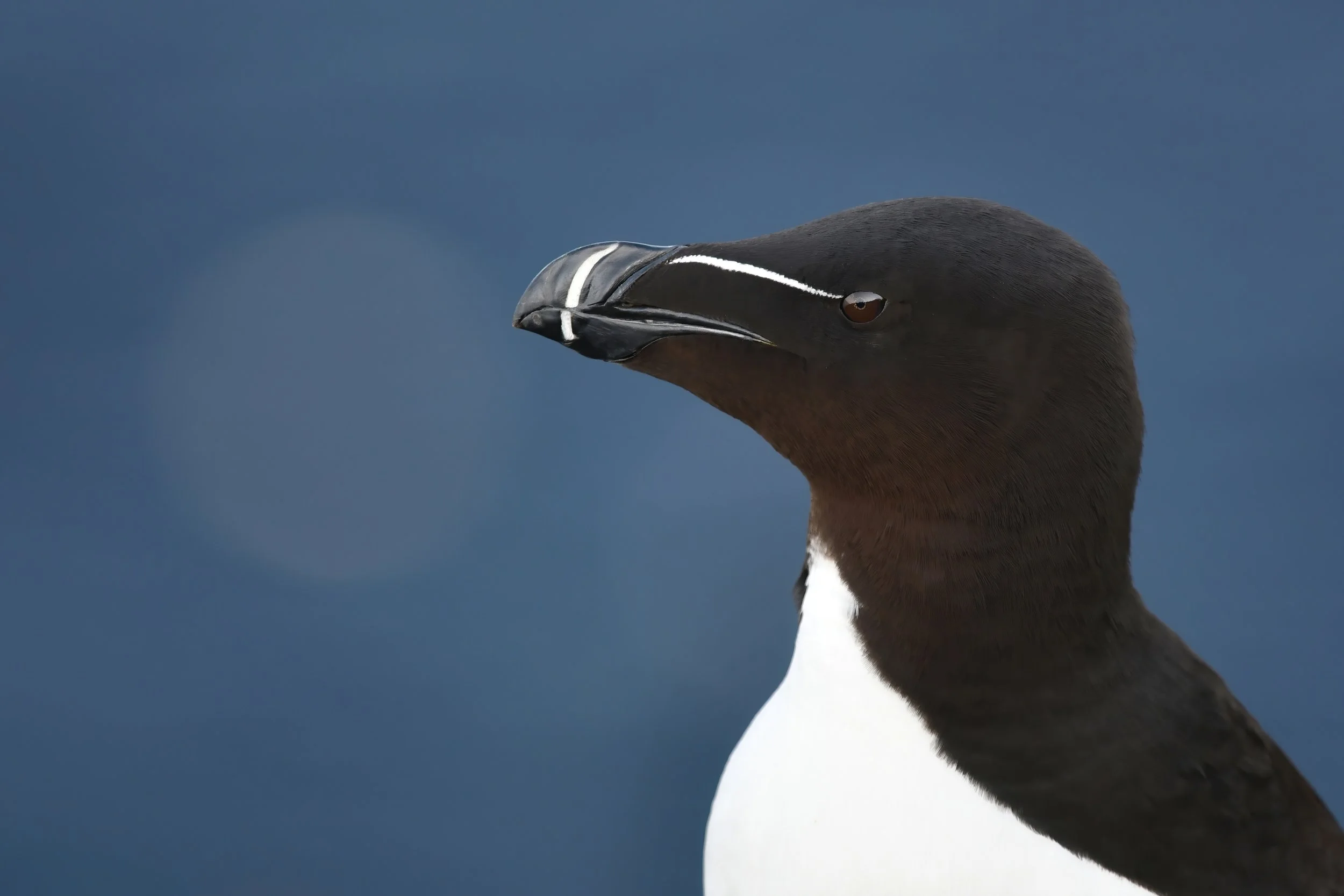
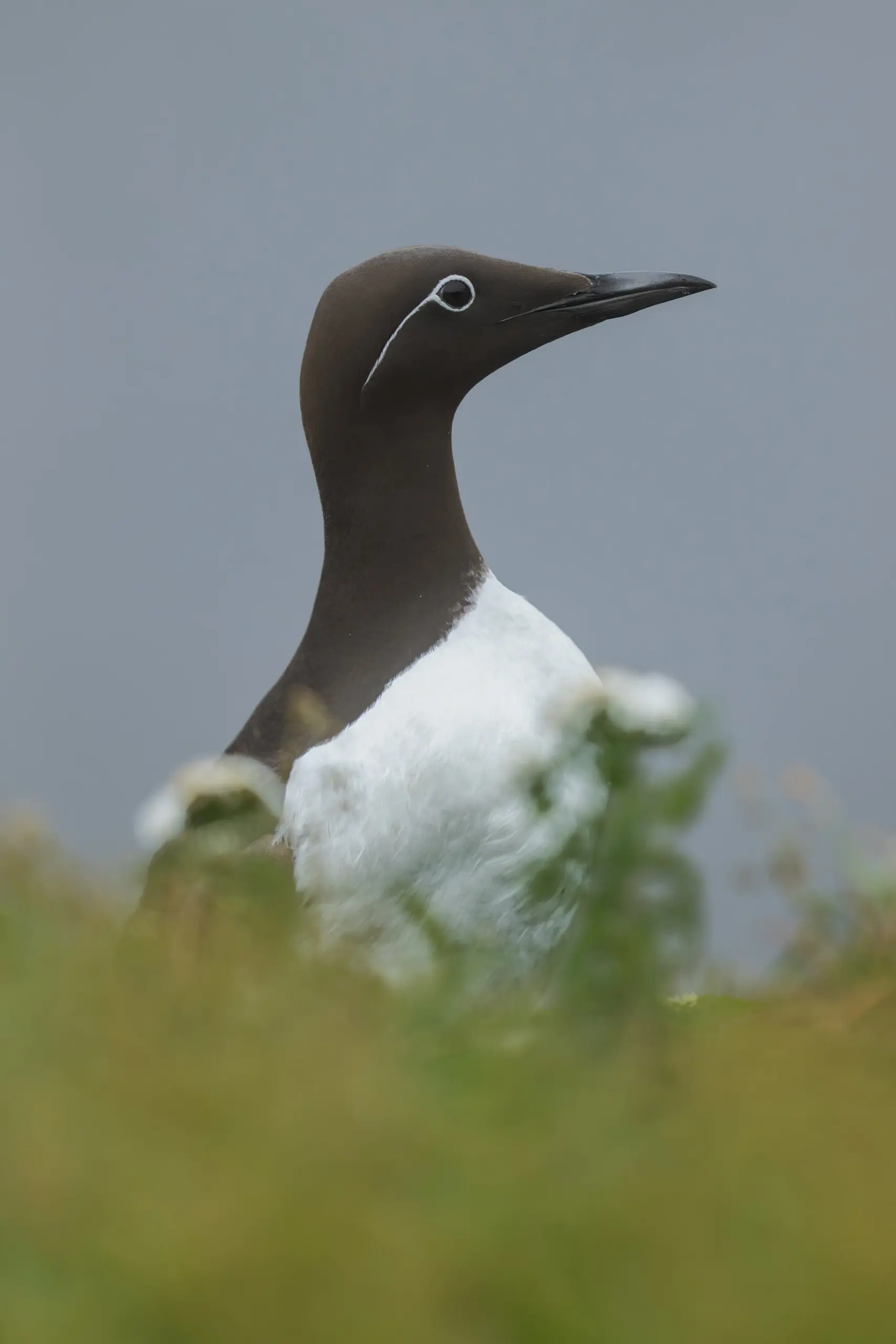
After our last morning session with the puffins, we’ll trade the cliffs for open water on a private charter boat, photographing humpback whales as they feed in the capelin-rich bays and, if the season allows, the blue shadows of passing icebergs drifting down from Greenland. This also provides a chance at photographing seabirds on the wing from the water. Afterward, we’ll overnight in Trinity, a picturesque harbor town that seems lifted from another century.
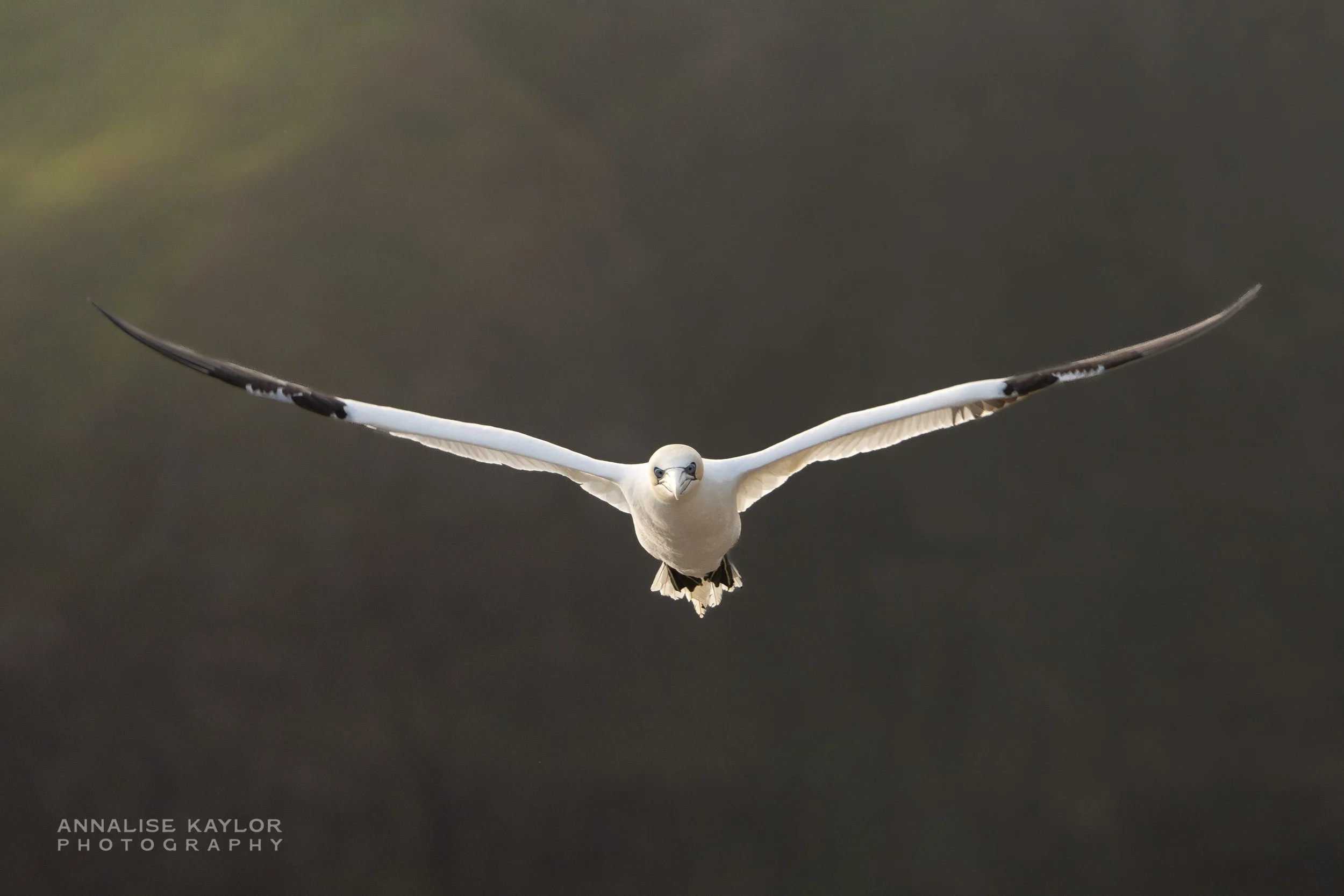
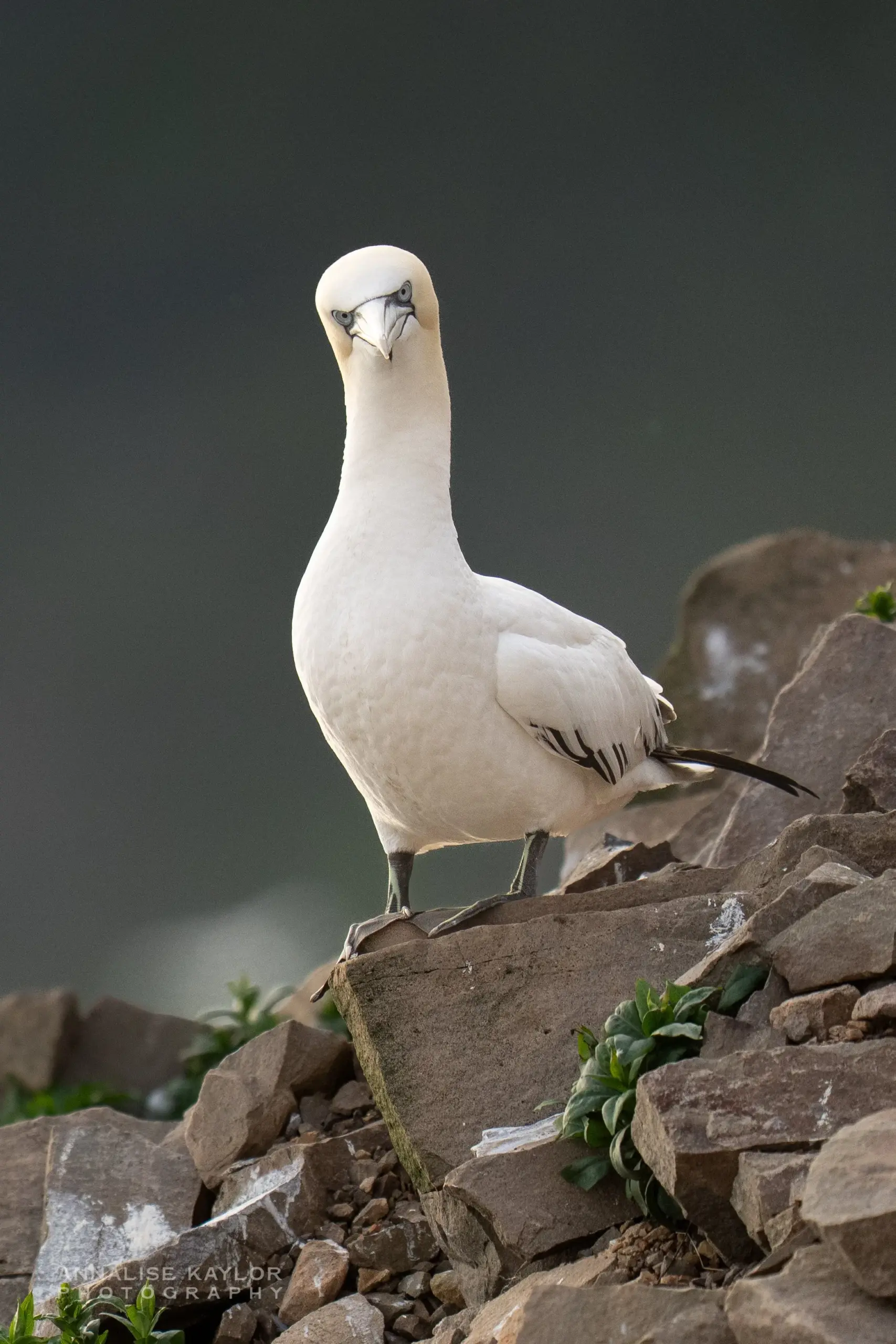
From there, we’ll travel south toward the dramatic cliffs of Cape St. Mary’s Ecological Reserve, home to one of the largest and most approachable Northern Gannet colonies in the world. Over the next three outings, we’ll photograph gannets diving, nesting, and wheeling through fog and light — an ever-changing choreography of flight and form. Our lodging for this part of the trip is a convenient 20 minutes away in St. Bride’s.
Gallery
Select any photo to see it full size.
Included
- Single-occupancy lodging starting the first night of the workshop
- Transportation
- Private charter whale-watching boat and gratuities for the captain
Not included
- Airfare to/from St. John’s, Newfoundland
- Transportation to the hotel the first night
- Lodging before or after the dates of the workshop
- Meals
- Items of a personal nature (e.g., laundry, souvenirs)
- Incidentals incurred by participants at lodging
Payment
$2,000 deposit. The final balance is due 120 days before the start date.
Insurance
General travel insurance is highly recommended, but not required.
Physical difficulty
This workshop is not overly physical, but does involve a few walks. As a general baseline, photographers should be able to walk at least one mile on mostly flat, but sometimes uneven terrain, while carrying their own gear unassisted. The longest walk is out to the gannet colony, which is about one mile long each way. That walk is done twice per day for a daily total of about 4 miles.
This workshop features early start times and late arrival times back to our hotel, but there is ample time for rest during the mid-day break.
What to expect
Throughout the workshop, we’ll stay in comfortable, locally owned inns and boutique hotels, chosen for their charm, proximity to our shooting locations, and the sense of place they offer. With a maximum of six participants, this experience is designed for ample space, time, and guidance to refine both your technical skills and your storytelling vision.
This is more than a chance to photograph puffins and gannets; it’s an immersion into a living ecosystem shaped by wind, tide, and seasons. Through long days in the field, quiet observation, and guided instruction, we’ll immerse ourselves in one of the planet’s most captivating coastal ecosystems, exploring how light interacts with movement, how weather becomes character, and how patience turns observation into art.
Questions
How close are we to the birds?
The puffins at the colony in Newfoundland come quite close to humans, often landing or walking over to us within just a couple of feet away. It’s not uncommon for them to be too close to focus at times. But there are many birds, so you have a variety of different background and compositions. For the Northern gannet colony, we’ll also be fairly close, though they are not quite as close as the puffins. Again, plenty of opportunities for photographs from the 100-400 range, and more distant images made with a 600mm focal length. Both locations offer a wealth of diverse photographic opportunities.
How do I register for this workshop?
Once you let us know that you are ready to book, we’ll send you our registration paperwork along with an invoice for your deposit. When the paperwork is complete and the deposit has been paid, you are officially registered! While you’re waiting for your departure time to arrive, you’ll receive our workshop guide, which goes over a more detailed itinerary, gear recommendations, clothing recommendations, and has a packing list. About three months before your departure, we’ll have a group Zoom meeting. You’ll have a chance to meet everyone traveling with you, and we’ll go over logistics and make sure everyone has all of their questions answered, as well.
How much physical activity is involved?
Generally speaking, most people find the early mornings and late evenings the most challenging part of the trip. We are out before sunrise and back after sunset. There is plenty of time during the day for catching up on rest. You should be prepared to walk over mostly flat, but sometimes uneven, rocky terrain, while carrying your own gear unassisted. The longest distance is to the gannet colony, a walk about 3/4-mile in length each way.
What is your cancellation policy?
We understand that cancelling a long-anticipated trip is disappointing. But we, too, plan far ahead before each departure and continuously send non-refundable payments to hotels, other suppliers, and travel partners. Therefore, we must strictly adhere to the cancellation and refund policy. We strongly suggest that you purchase travel insurance in the event that your travel plans change or you need to cancel your trip. The following are the terms of our cancellation and trip change policy:
Cancellation and refund policy:
Deposits are non-refundable after a 10-day grace period.
If you cancel within the grace period, we will refund your deposit to the original form of payment, minus a $250 administrative fee and any payment processing fees incurred.
After the grace period, no refunds will be issued unless we can fill your spot. If we can fill your spot, we will issue a refund minus a $250 administrative fee and any payment processing fees incurred.
Final payment deadlines:
U.S.-based workshops: Final balance is due 90 days before the start date.
International workshops: Final balance is due 120 days before the start date.
By booking, you acknowledge and accept these terms. If you have any questions, we’re happy to help clarify.