There’s a reason Kenya lands on nearly every bucket list of every wildlife photographer. Simply put, the opportunities are infinite. But with that level of access and abundance comes the difficult choice around which season to visit and on what species to focus. Kenya: The Migration and Beyond is a workshop and safari experience built for the photographer who wants in on the “rest” of what Kenya has to offer.
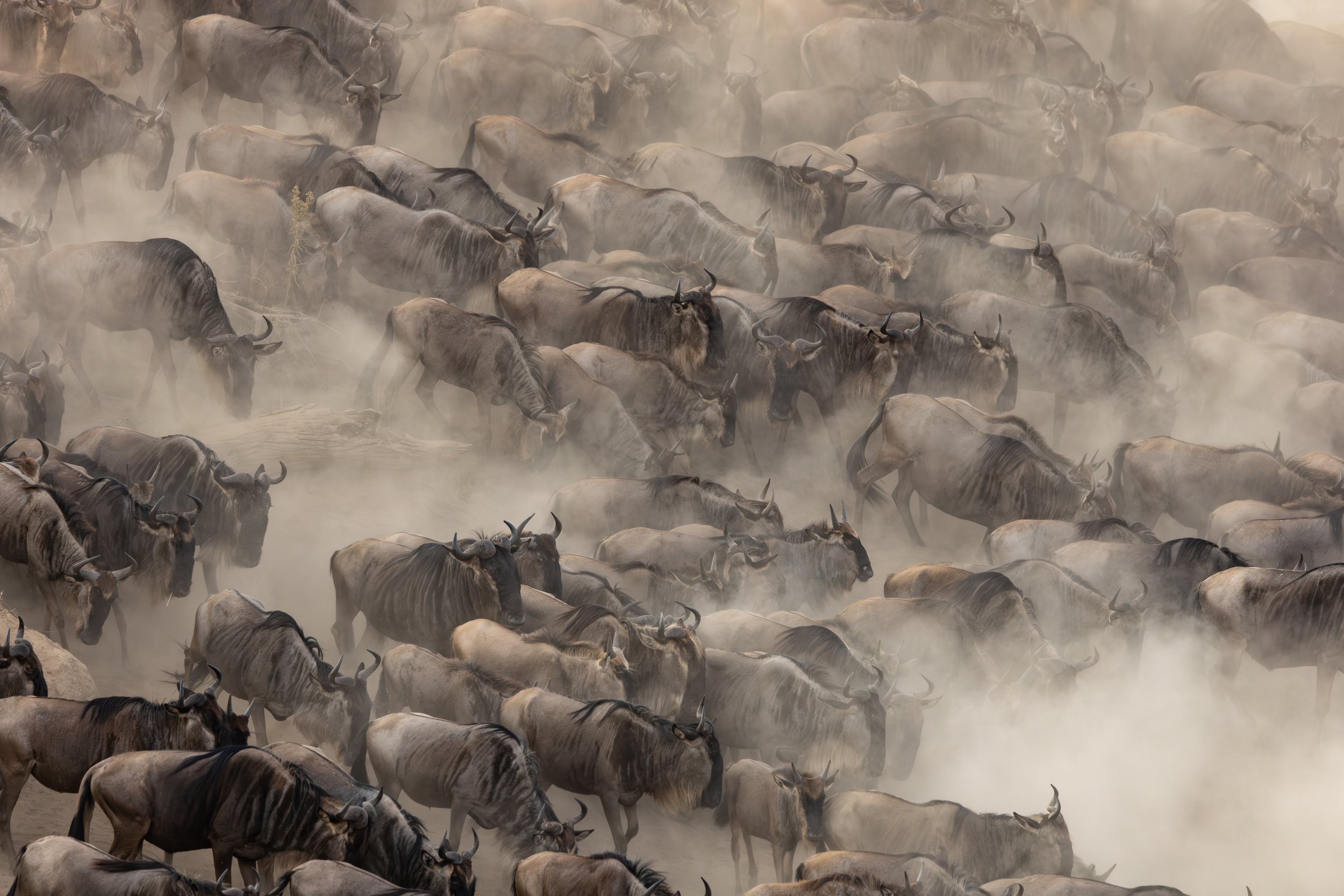
It starts in August in the Maasai Mara, when the herds that have spent the year following the rains up and out of the Serengeti stack up along the Mara River and crossings peak. Wildebeest number in the practically imperceivable numbers of 1.3 to 2.5 million across the whole ecosystem, and August is when a good share of them are standing on a riverbank deciding whether to jump.
We’ll have five nights at Soroi Mara Bush Camp, with full four days of morning and afternoon drives. This is enough time to stop chasing the crowd and really start reading the place. Which bank the herds are gathering on, which crossing the crocodiles have already figured out, which ridge the cheetahs are using to scan for gazelles. We’re not here for a trophy image or two, we’re here to elevate our photography to truly telling the story of the Mara, and our time here is designed to do just that.
Then we leave.
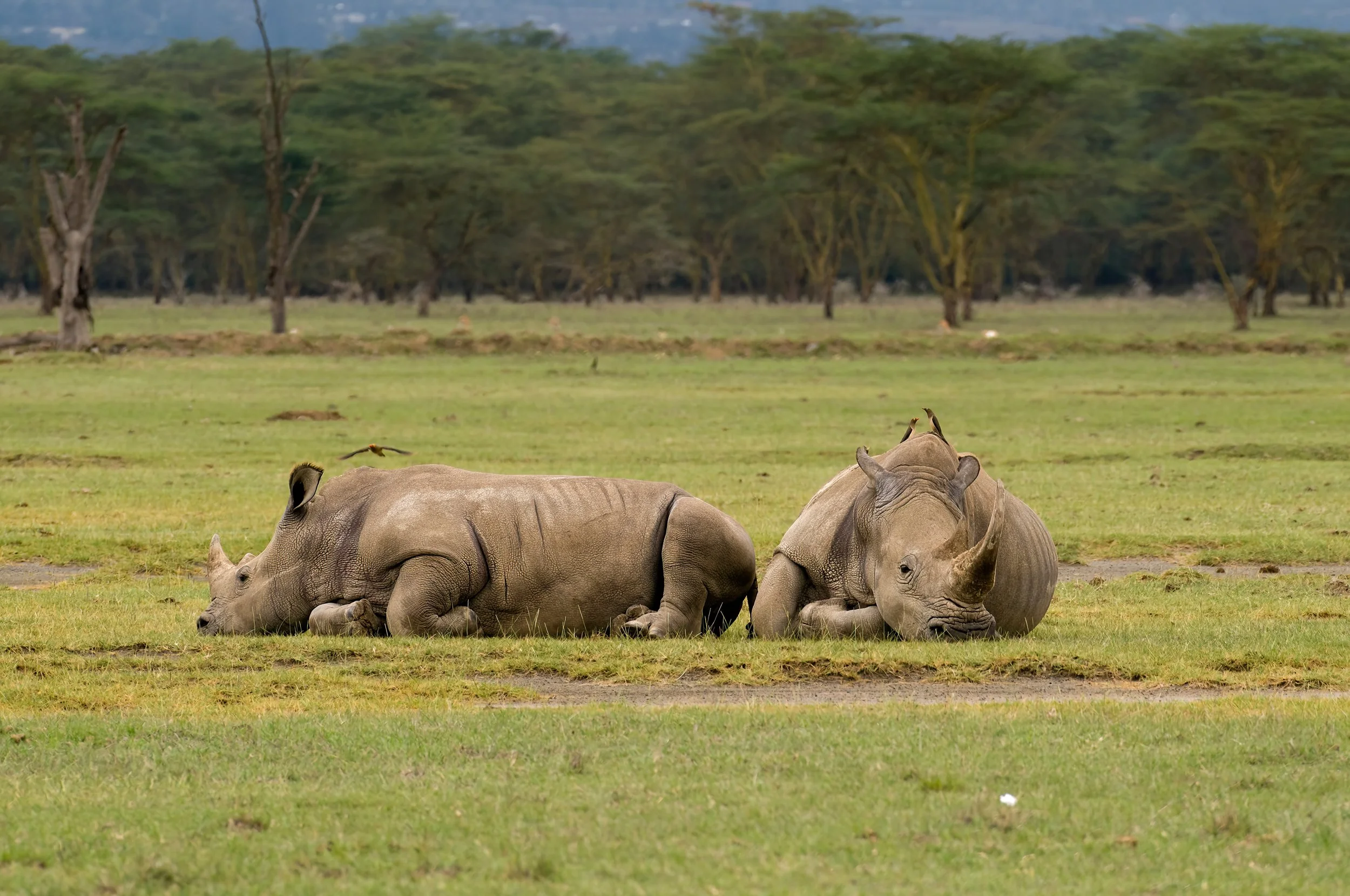
Many itineraries to Kenya skip this next part – our drive to Lake Nakuru, a park protecting black rhinos. It is one of the few places in Kenya where you can work black and white rhinos in the same two days, along with Rothschild’s giraffes, which were relocated here from western Kenya beginning in 1977. Then there’s a bird list that runs past 400 species. In short, it’s an astoundingly biodiverse part of the country where we’ll create the unique sorts of photographs that not many others in the camera club or social media feed will have, too.
From Nakuru we continue to Ol Pejeta Conservancy, and this is where the trip changes tone. Ol Pejeta holds more than 165 eastern black rhinos, the largest black rhino sanctuary in East and Central Africa. In 1993 the population of these rhinos numbered somewhere around twenty. It also holds the last two northern white rhinos on Earth, a mother and daughter named Najin and Fatu, guarded around the clock, and a research program that has already produced the first successful rhino embryo transfer. Photographing this animal carries weight, and we’re privileged to have that opportunity.
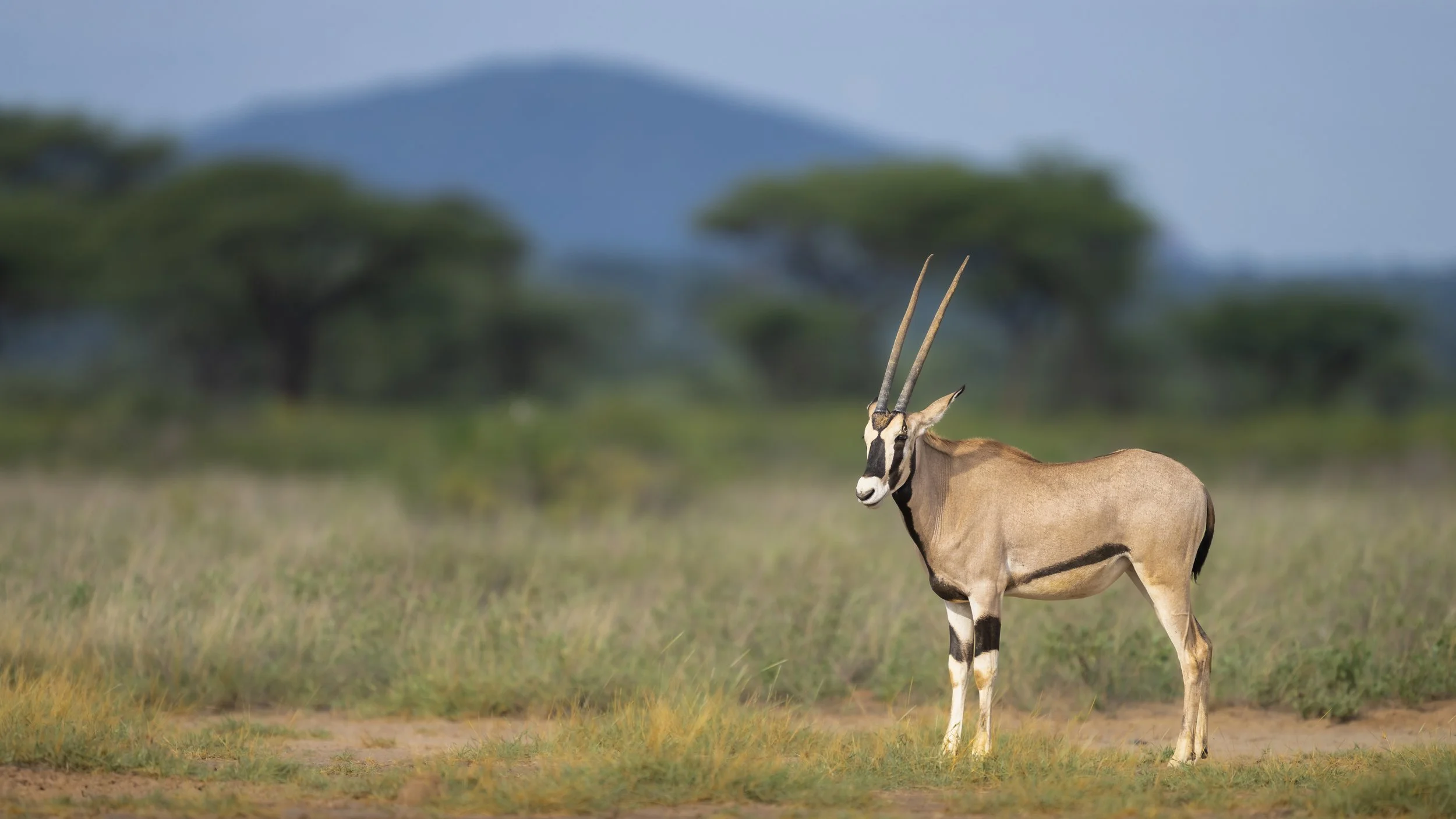
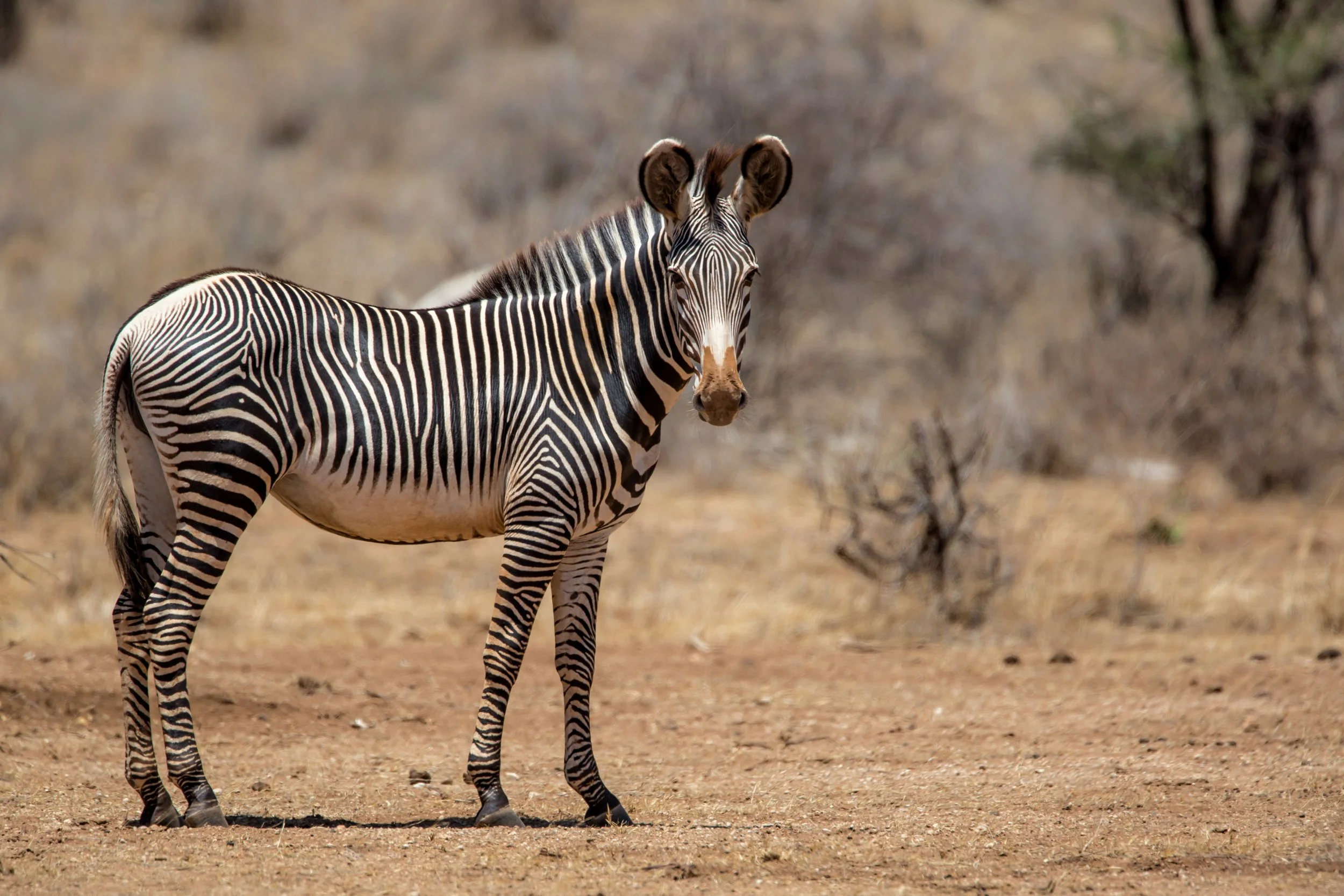
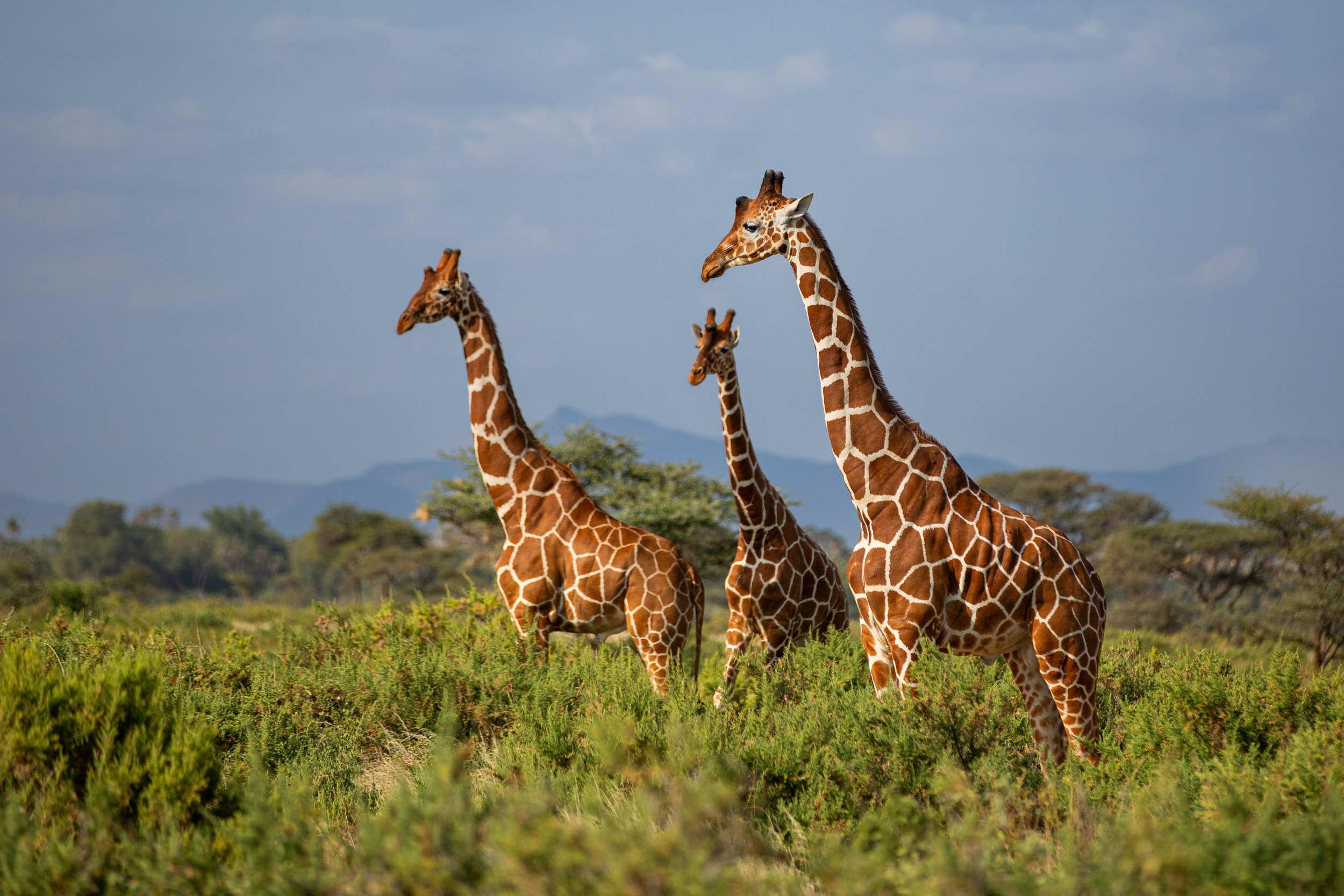
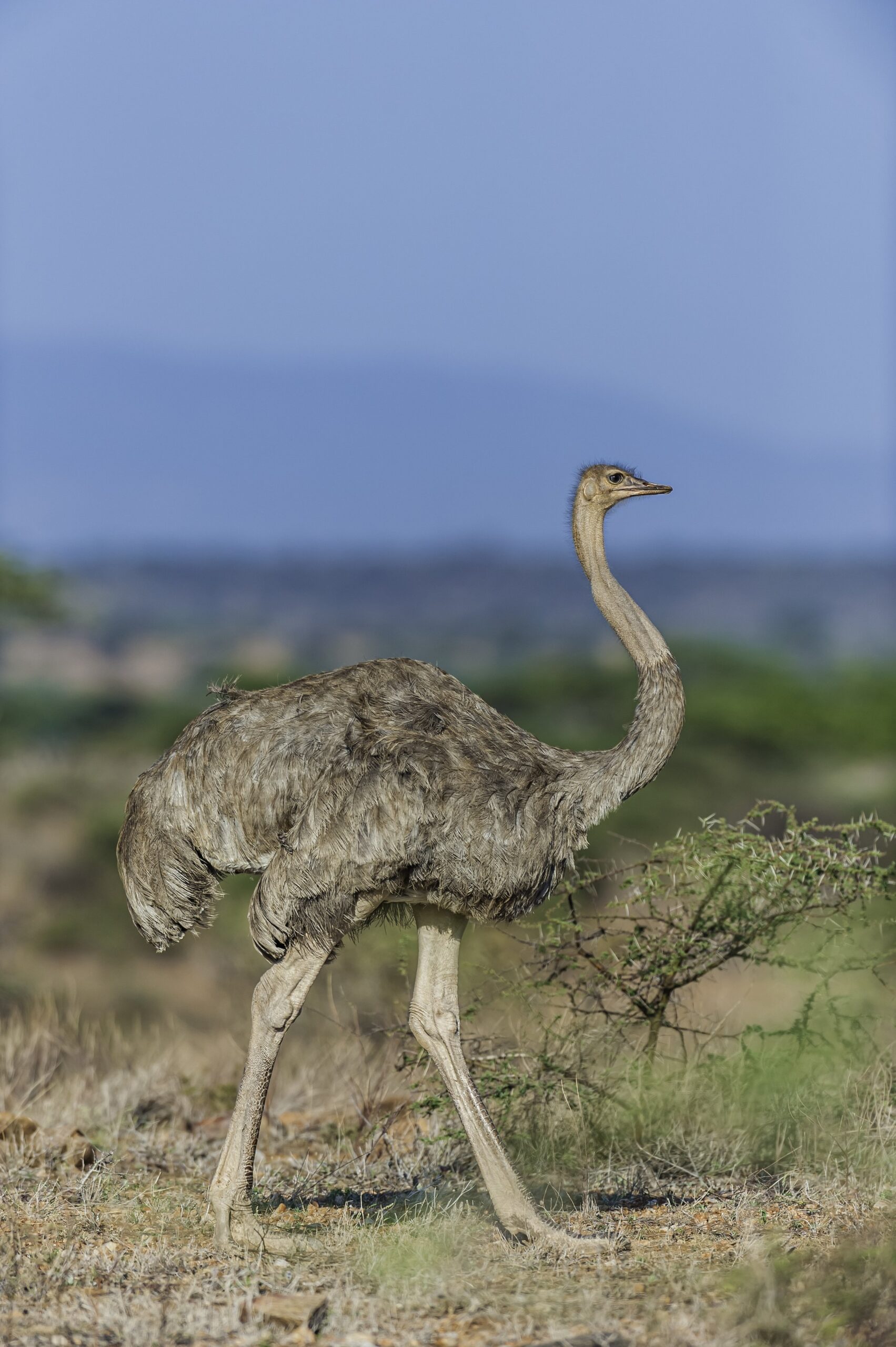
The last leg of this itinerary is Samburu, perched in the semi-arid north where the Ewaso Ng’iro River cuts a green corridor of doum palms through dry country, and where a set of animals you will not see in the Mara live. Together they’re known as the Samburu Special Five: Grevy’s zebra, reticulated giraffe, Somali ostrich, Beisa oryx, and gerenuk.
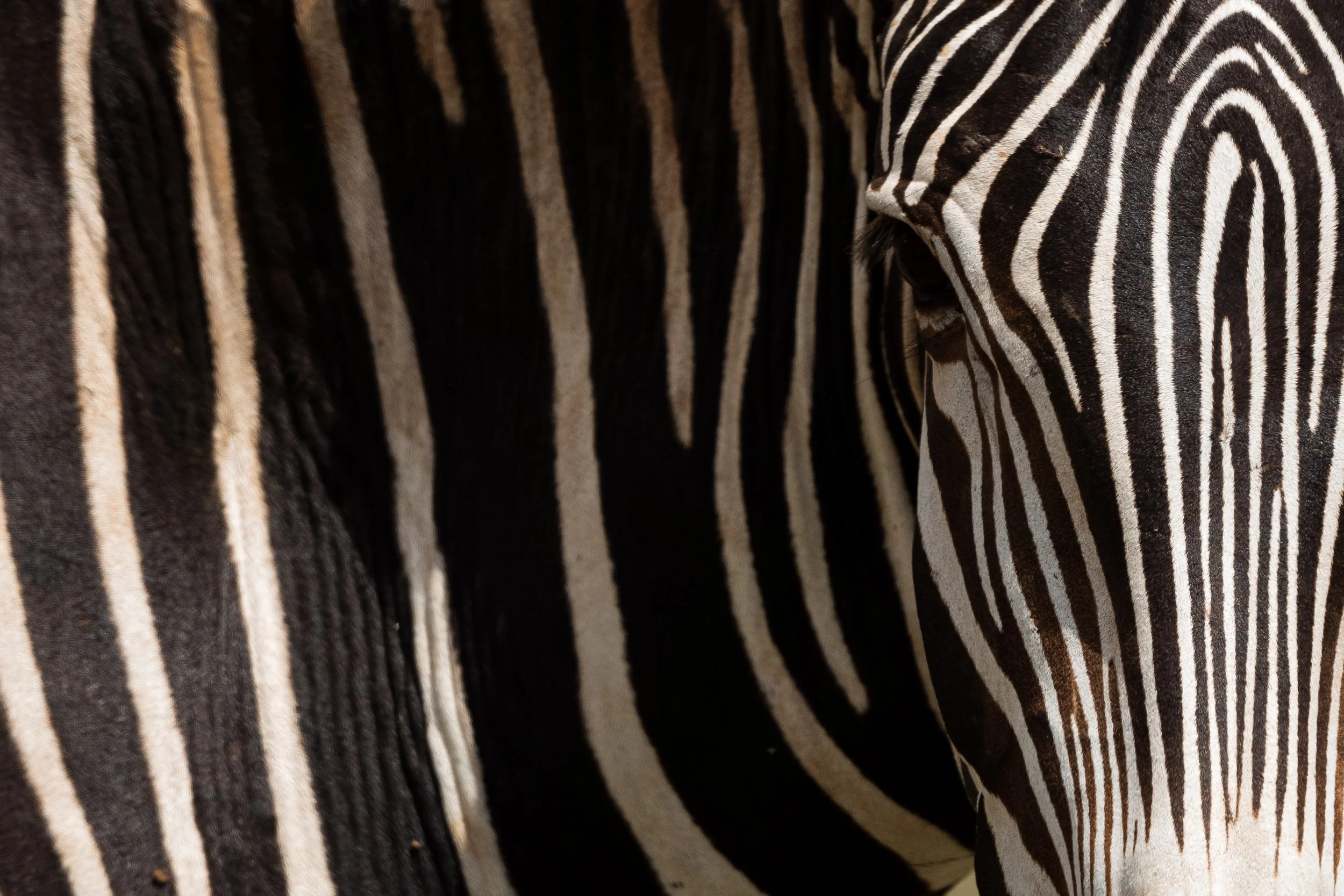
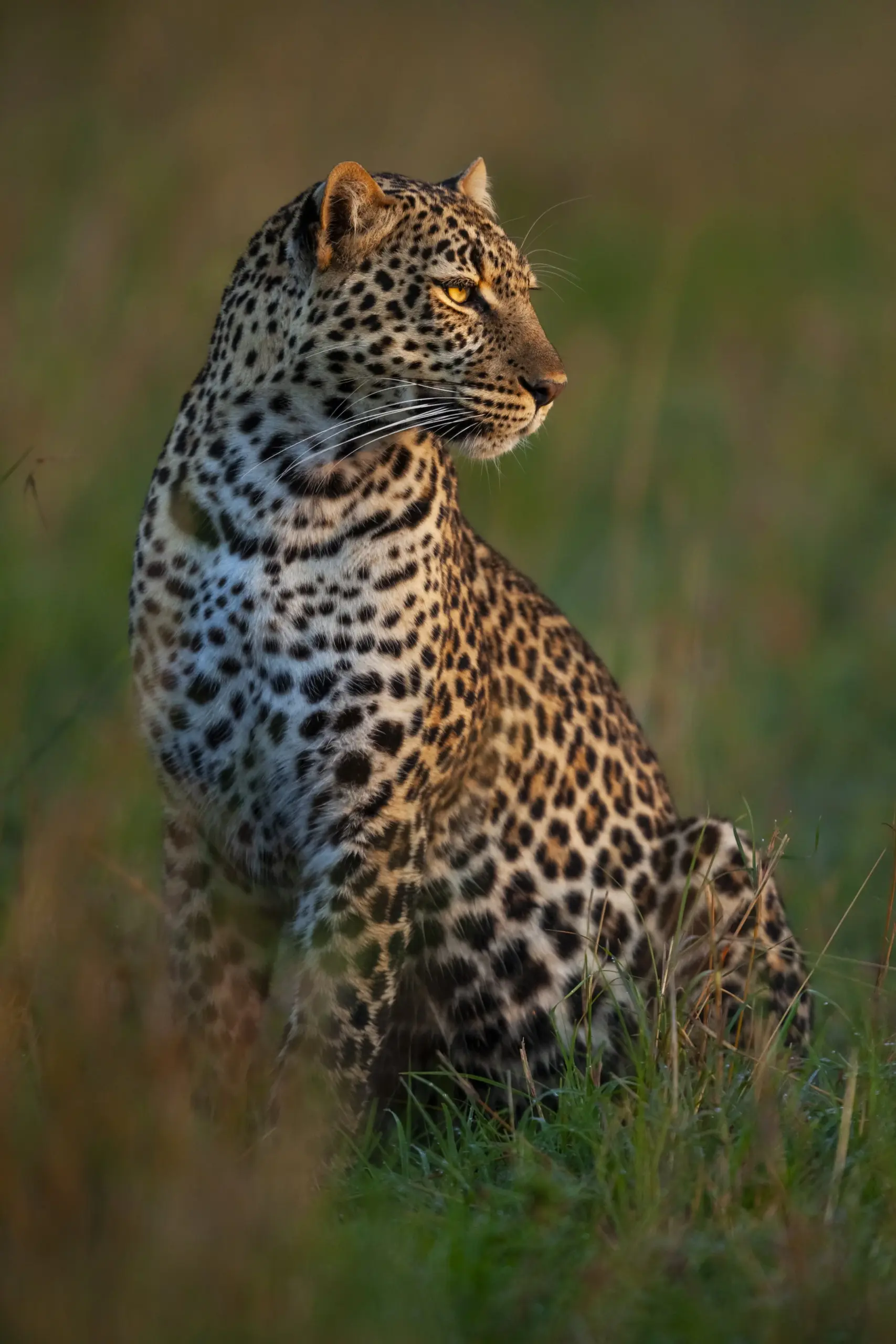
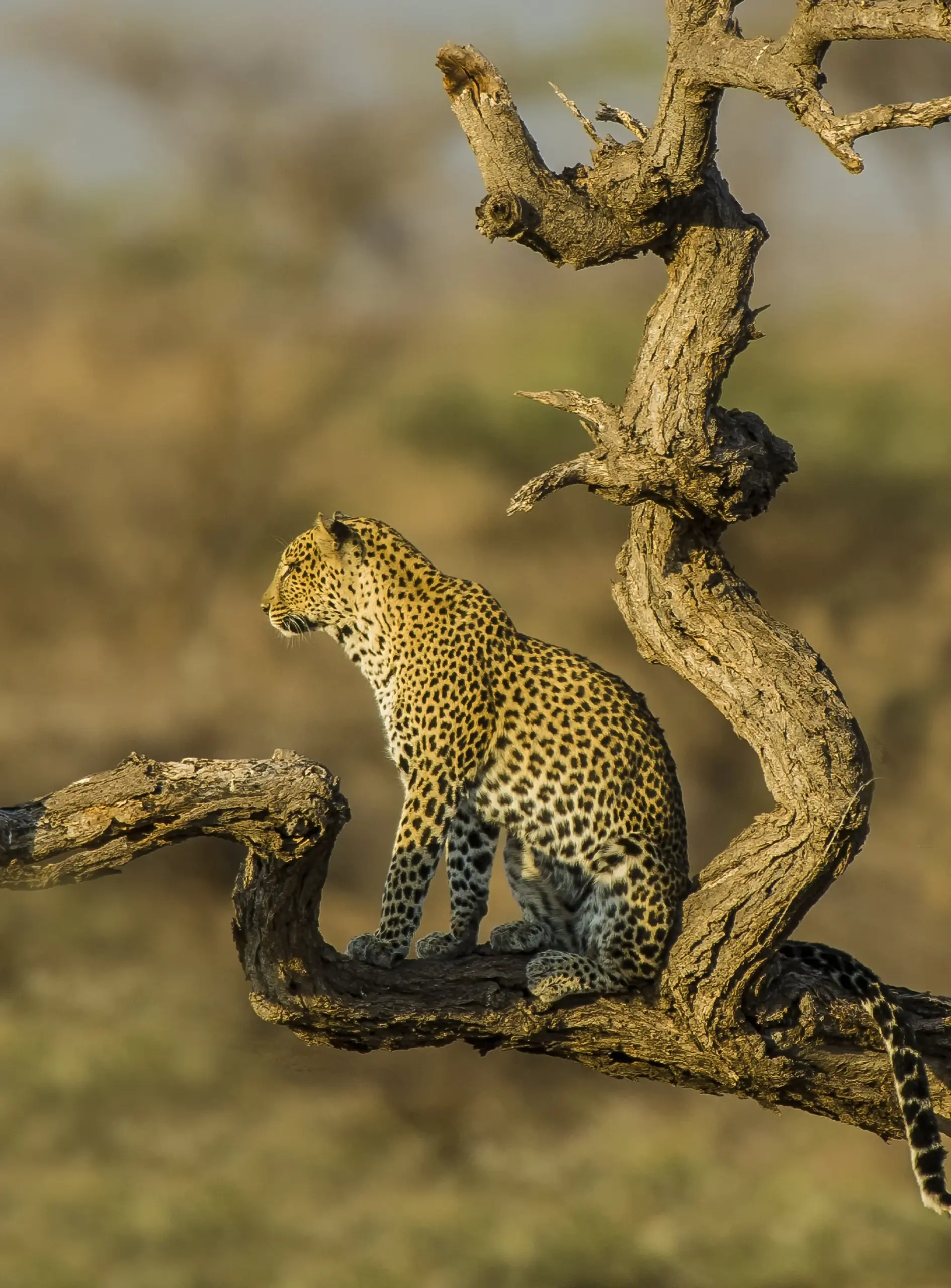
Grevy’s zebra deserve a paragraph of their own. The wild population is roughly 2,250 animals, down from around 15,000 in the 1970s. The species is listed as Endangered, and most of the remaining population lives in northern Kenya. Samburu is also home to Save the Elephants, so the elephants along the river are among the most closely studied in the world, and it’s also one of Kenya’s most reliable places for leopards. We’ll spend three nights at our camp here, and two of those days include the exclusive use of the camp’s own photography hide.
Built specifically to blend in with the landscape, this specialized photography hide lets you sit at eye level with the action, allowing the animals to get comfortable and not realize you are there. That is how we work for images that go beyond simple portraits and into the territory of photographing candid moments and species-specific behaviors.
Gallery
Select any photo to see it full size.
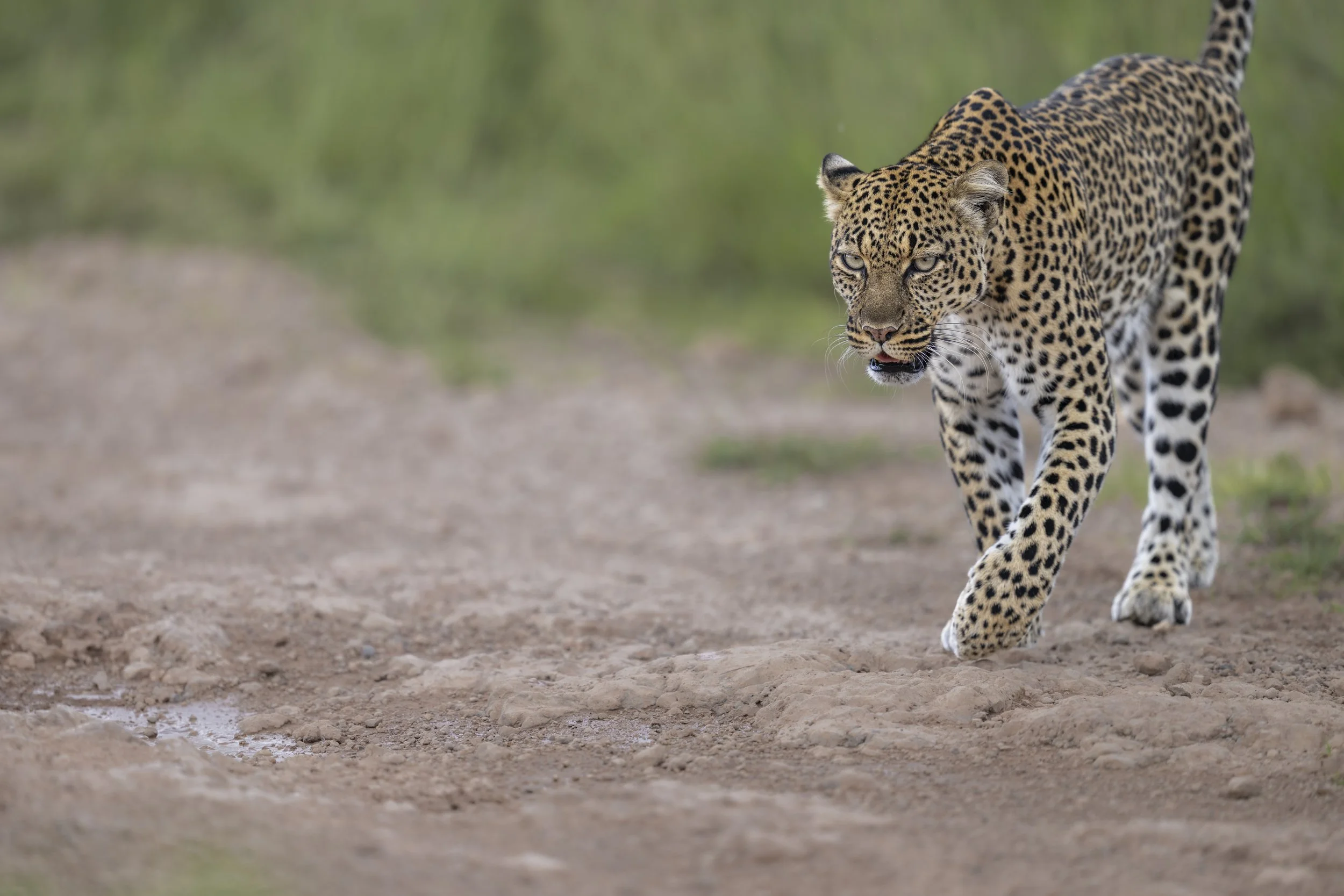
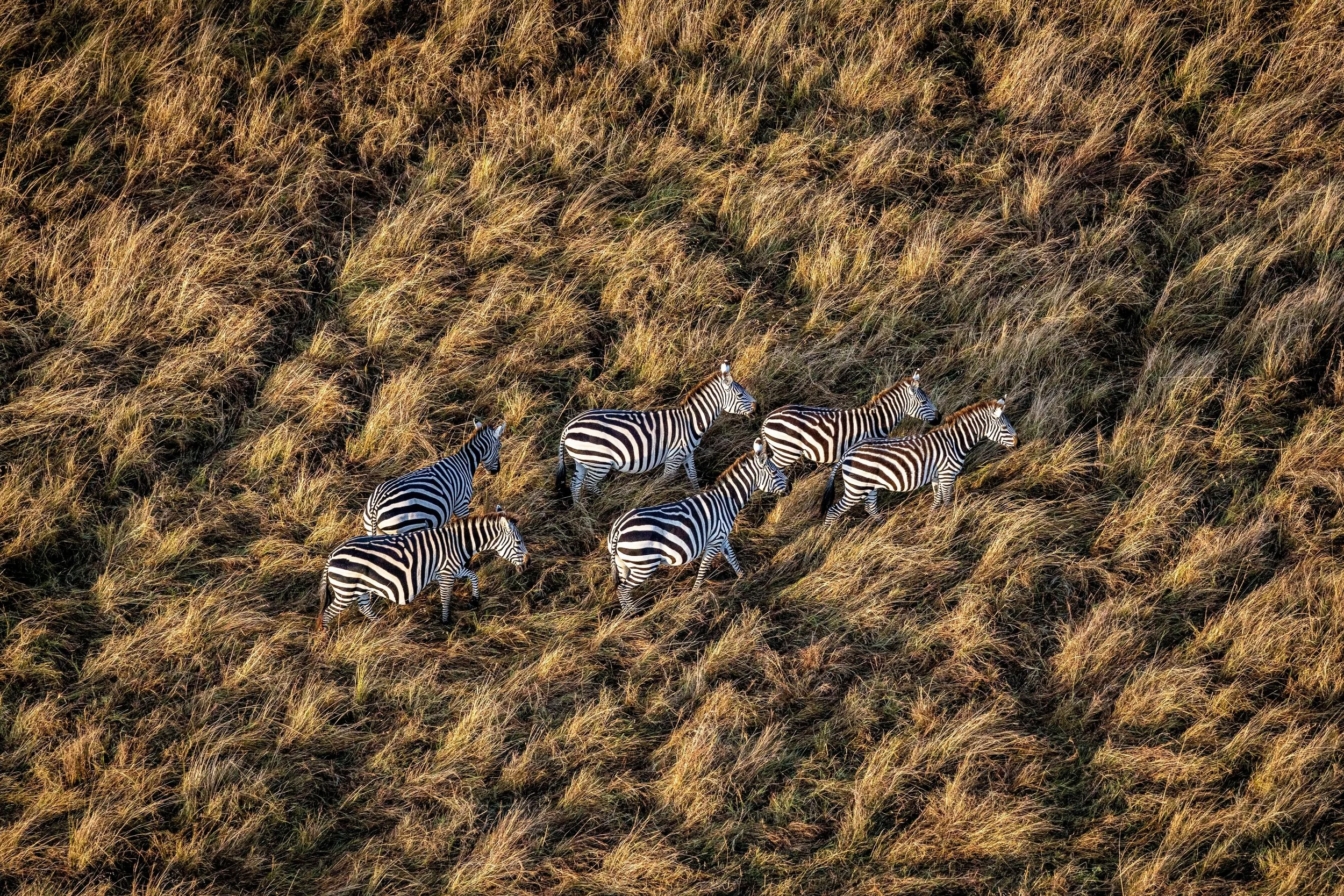
Included
- Single-occupancy lodging beginning on the first night of the workshop (arrival night)
- All meals
- All park and conservancy entry fees
- Park vehicle fees and driver-guide fees
- All in-country transportation during the workshop
- Exclusive use of photography hides
- Private airport transfers for arrival and departure
- Drinking water and tea/coffee in the vehicle during game drives
- Bean bags in the vehicle for lens support
Not included
- International airfare to and from Nairobi
- Visa and related fees, if necessary
- Lodging before or after the scheduled dates
- Items of a personal nature (e.g., laundry, souvenirs)
- Travel insurance (highly recommended)
- Medical evacuation insurance (required)
- Gratuities for local guides, drivers, and lodge staff
- Incidentals incurred by participants at lodging
- Other items not expressly listed as included
Payment
$5,000 deposit, then three installments. The final balance is due 120 days before the start date.
Insurance
Because the areas that offer the best opportunity for photography are remote and wild, medical evacuation insurance is required, with at least $250,000 in medical evacuation coverage. General travel insurance is highly recommended, but not required. We use and recommend Global Rescue.
What to expect
The price includes single-occupancy lodging and each departure is limited to just six photographers to maintain a small-group experience. Every photographer will enjoy their own row in our safari vehicles for an unobstructed field of view in every direction.
Like our other Kenya workshop, each vehicle is a custom 4x4 Land Cruiser with a pop-up roof with plenty of room for each photographer to have their own row - no obstructed views or trying to work around another person who has the better angle. If you’re joining us on the other Kenya departure, this trip picks up right where the other one leaves off, so you can stay on for the second itinerary without a second international flight.
We anticipate this workshop will take place on/around August 10-23, 2029.
Your instructor
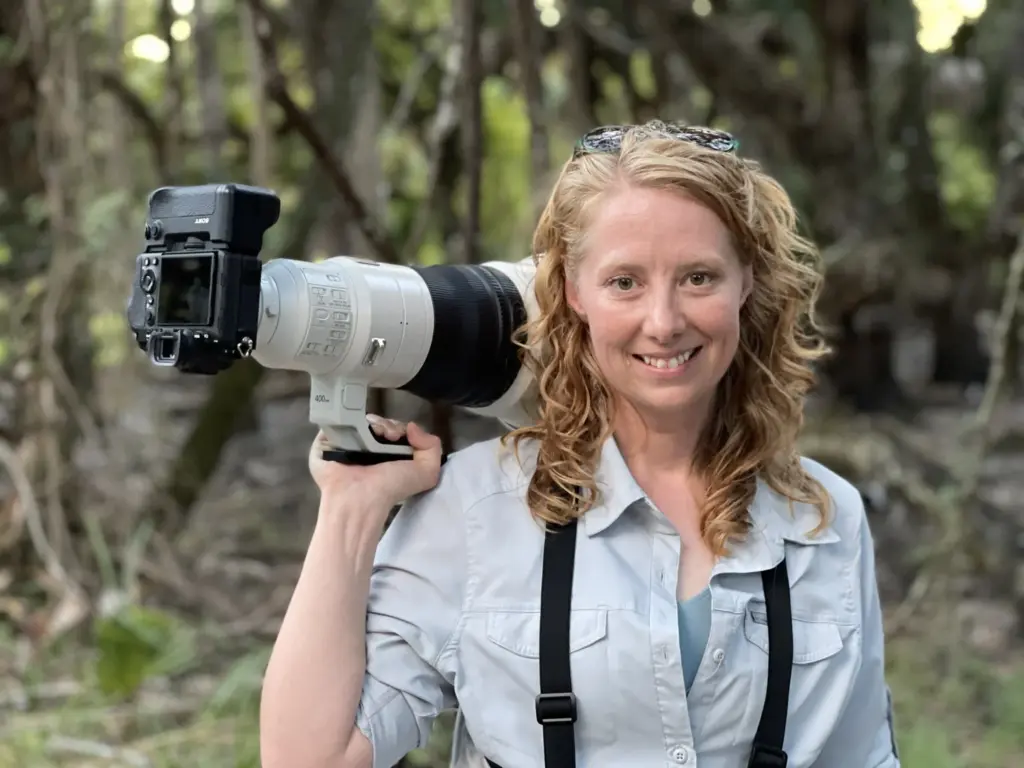
This workshop is led by Field & Frame founder Annalise Kaylor, with co-leader Michael Hodgson.
Meet AnnaliseYour co-leader
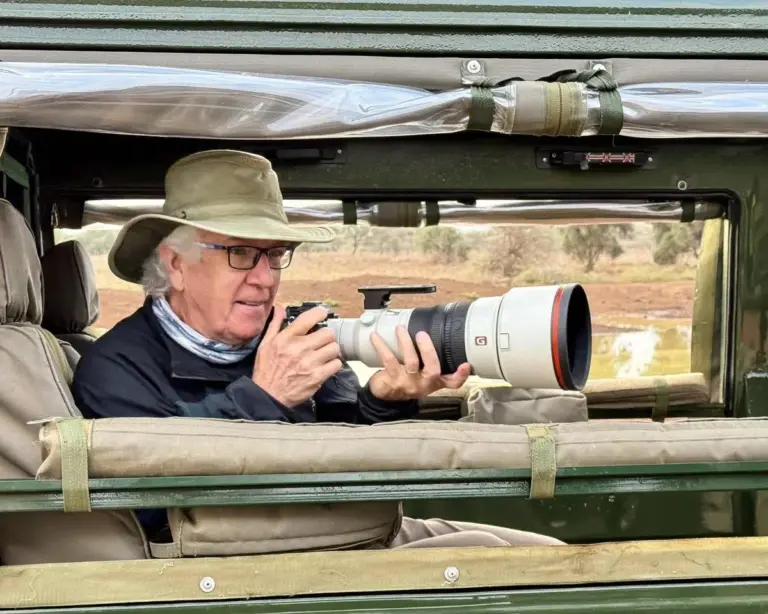
Michael Hodgson
Michael Hodgson is a professional wildlife and travel photographer, writer, and visual storyteller with a lifelong fascination with animals, wild places, and the people and cultures that give places their character. His photography has taken him across all seven continents, from the wildlife-rich landscapes of Africa and South America to the Arctic, Europe, and the American West. Michael’s photographs have been exhibited in galleries and museums, including the Museum of Northern California Art, and selected for juried exhibitions at Viewpoint Gallery and the California State Fair, where one of his photographs received Best of Show in 2024. See more of Michael’s work on his website.
Questions
What is the workshop registration process?
Submit the form below to let us know that you’re interested in joining the workshop. Someone from our office will reach out to you with the registration paperwork and invoice for placing your deposit. Both the registration paperwork and the deposit must be completed before you are officially “registered” for the workshop. Most of our workshops end up with a considerable waiting list, so we allot two business days to complete the process before we move on toward the next person in the queue. Of course, we’re always happy to answer your questions before signing up, as well.
How much physical activity is involved?
While not overly physical in nature, this workshop takes place in safari vehicles that operate over unpaved trails. We will also be outside, often in direct sunlight, for extended periods of time. There may be some light walking and hiking, so as a general baseline of physical fitness, photographers should be able to walk up to half a mile at a time whilst carrying their own gear. We’re always happy to discuss any concerns about the physicality of this workshop prior to booking.
What kind of clothing will I need?
Like many other outdoor photography trips, it’s helpful to have some layers and prepare for fluctuating temperatures. The mornings and late evenings can be a little bit cool, but once the sun comes up, temperatures swiftly climb. We recommend wearing lightweight and quick-drying clothing including long pants and long-sleeve shirts. We send out a comprehensive workshop guide for each one of our trips, filled with information about what to expect for weather, gear recommendations, clothing recommendations, and other details that will help you feel completely prepared. In addition, we do a group Zoom call about three months ahead of your trip. This allows you to meet everyone before you travel together and ensures that everyone’s questions are answered and we’re all on the same page.
My spouse/friend/partner isn't a photographer, can they join?
Absolutely! We welcome non-photographers, as well. However, please note that there is not a discounted price should they decide to join us, as they are filling a spot that would otherwise be booked by another photographer. Please keep in mind that this is a photography-first experience, which means there may be times where we sit and wait out an opportunity for an hour or longer.
Why is medical evacuation insurance required?
Because the areas that offer the best opportunity for photography are remote and wild, we require medical evacuation insurance. Your chosen independent insurance plan should include at least $250,000 in medical evacuation coverage. We use and recommend Global Rescue for medical evacuation coverage, as they will coordinate all of your care, even coming to you in the field if necessary. There are no claims to file and no need to get to a hospital on your own first. We also strongly recommend general travel insurance, though this coverage is optional. Please feel free to reach out with additional questions.
What is your cancellation policy?
We understand that cancelling a long-anticipated trip is disappointing. But we, too, plan far ahead before each departure and continuously send non-refundable payments to hotels, other suppliers, and travel partners. Therefore, we must strictly adhere to the cancellation and refund policy. We strongly suggest that you purchase travel insurance in the event that your travel plans change or you need to cancel your trip. The following are the terms of our cancellation and trip change policy:
Cancellation and refund policy:
Deposits are non-refundable after a 10-day grace period.
If you cancel within the grace period, we will refund your deposit to the original form of payment, minus a $250 administrative fee and any payment processing fees incurred.
After the grace period, no refunds will be issued unless we can fill your spot. If we can fill your spot, we will issue a refund minus a $250 administrative fee and any payment processing fees incurred. That refund will be issued when the payment for the replacement participant has cleared.
Final payment deadlines:
U.S.-based workshops: Final balance is due 90 days before the start date.
International workshops: Final balance is due 120 days before the start date.
By booking, you acknowledge and accept these terms. If you have any questions, we’re happy to help clarify before you commit to joining us.