Colombia holds more bird species than any other country on Earth, and this trip is built around understanding why. Rather than trying to cover the whole of that staggering number, we trace a single line straight through the heart of it: up into the Eastern Andes above Bogotá, down into the Chocó-Andean cloud forests of the western range, north through coffee country, up again into the open volcanic páramo of Los Nevados, and finally into the forested hills around Jardín, in Antioquia, home to one of the finest Andean Cock-of-the-Rock leks left in the country. Ten days, four distinct mountain ecosystems, and an elevation range spanning more than 10,000 feet, from warm valley forest up to páramo above 13,000 feet.
Colombia’s bird diversity isn’t an accident of size, it’s a product of the Andes splitting into three separate cordilleras as they enter the country, each one isolating its own valleys, slopes, and microclimates long enough for evolution to build something new in each. We move through that geology directly, and the birds change with it, all within a single day’s drive. High-Andean hummingbirds built for thin, cold air give way to the saturated, almost impossible colors of Chocó-Andean tanagers, which give way in turn to birds that have specialized for a life spent standing in whitewater, or navigating pitch-dark caves by sound.
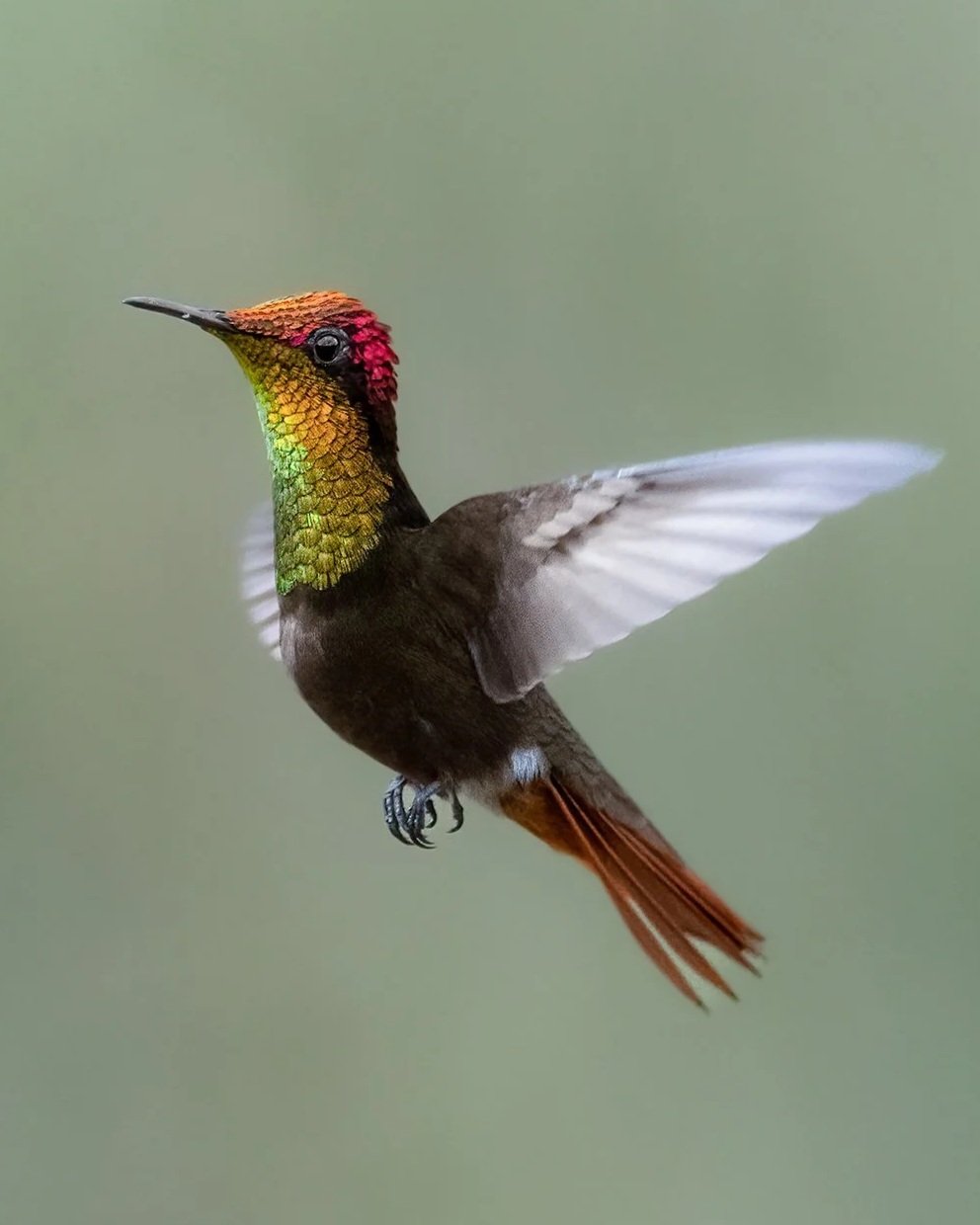
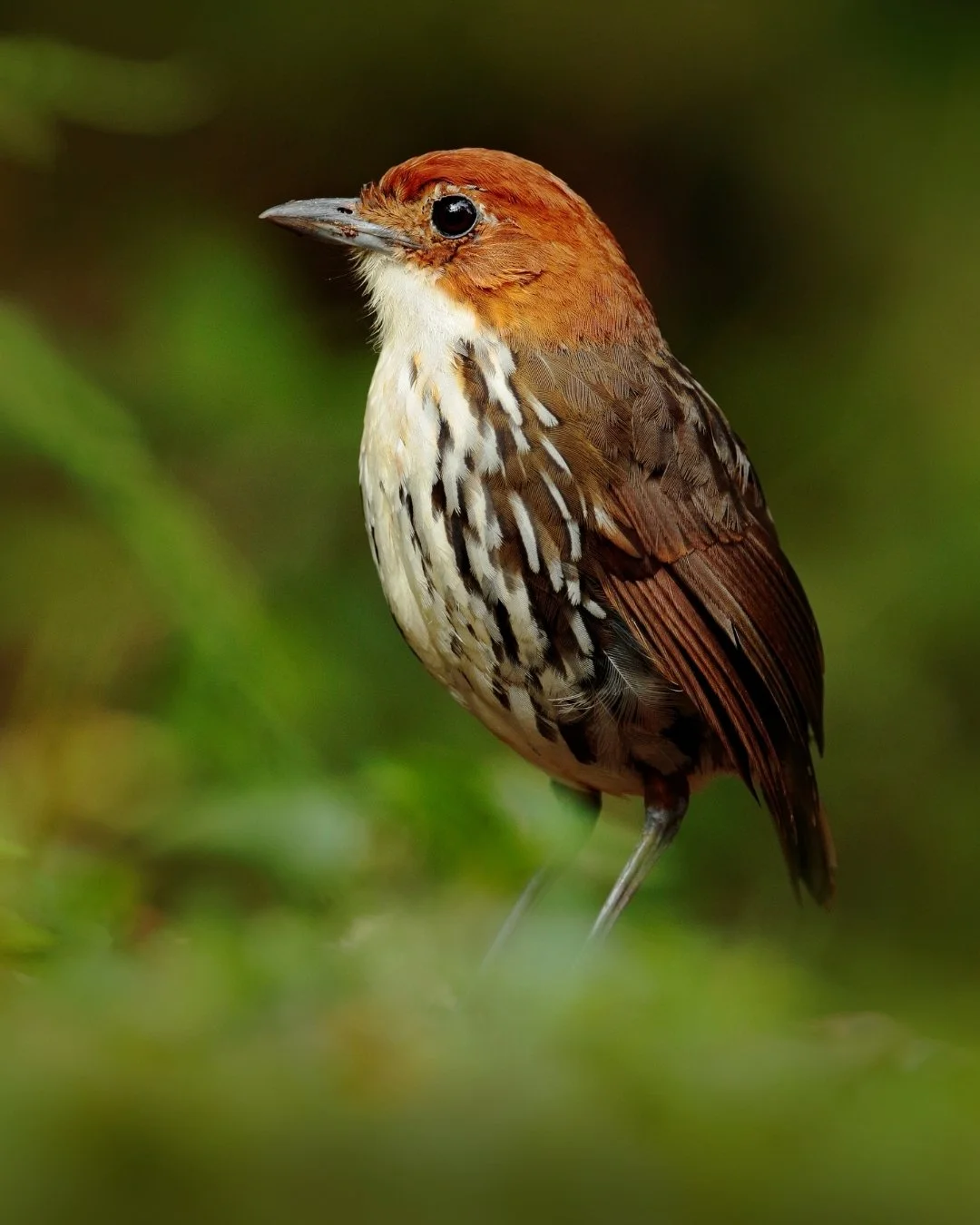
Antpittas, among the shyest and most difficult birds in the Andes to see well, let alone photograph, come into close range, thanks to years of patient trust between reserve and resident bird. Hummingbirds move through gardens and forest edge in numbers dense enough that a single morning can produce more species than most photographers see in a season back home, each one shaped by an evolutionary arms race with a particular flower that only it can reach.
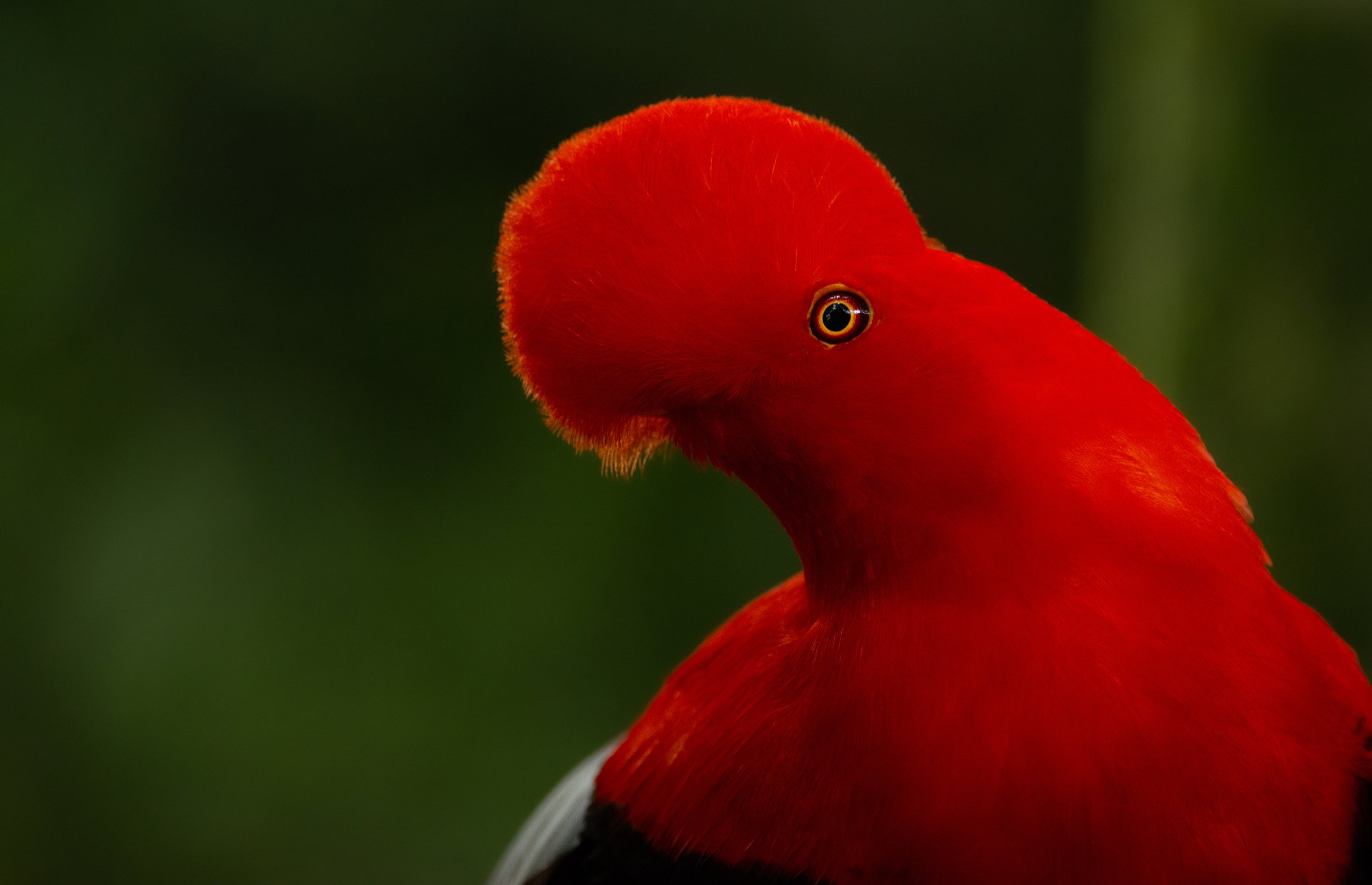
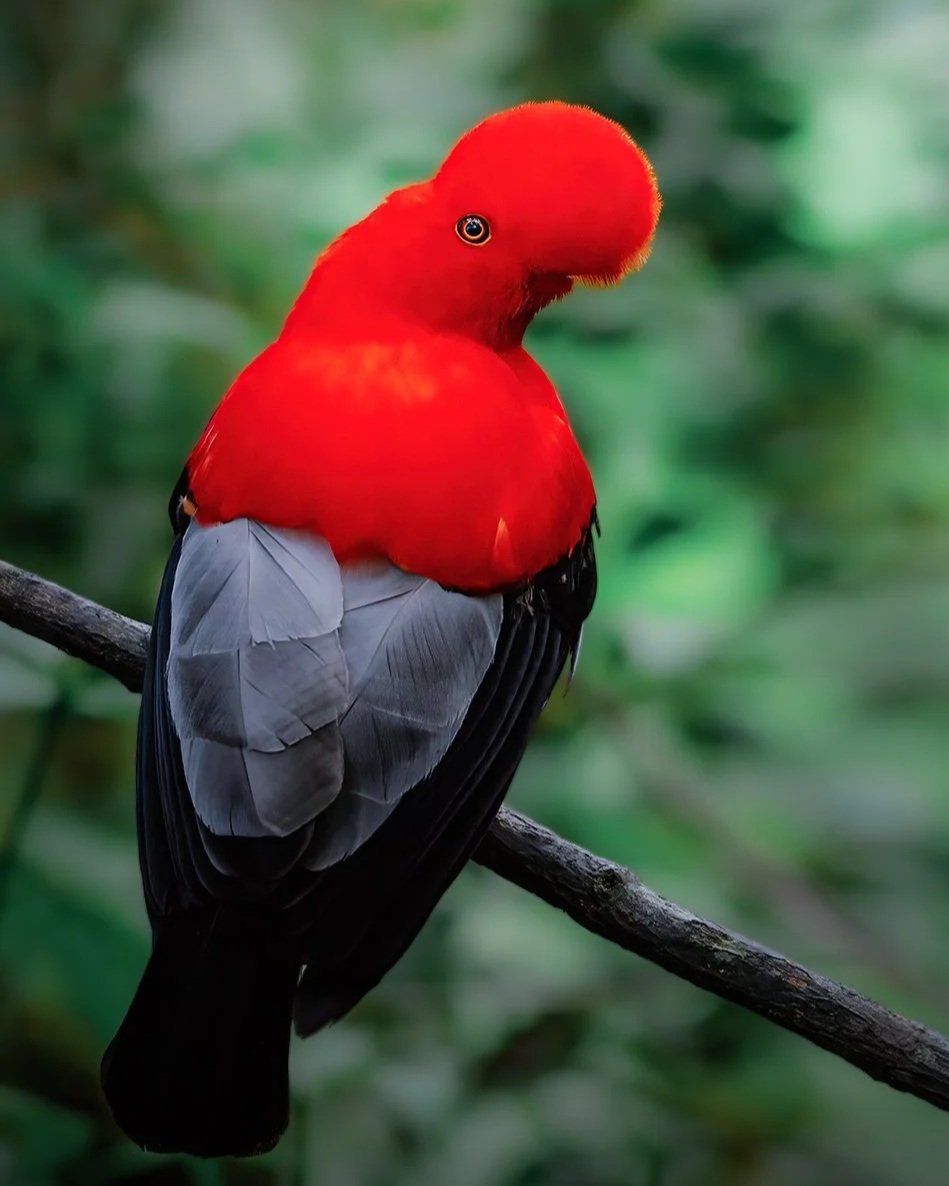
And then there is the bird this trip is built around. The Andean Cock-of-the-Rock is one of the most sought-after photographic subjects in all of South America, and for good reason. Males gather at a traditional forest lek, sometimes the very same patch of ground across generations, and do nothing but perform, calling, displaying, competing in vivid orange against the dark understory while females move through to judge them. It’s one of the purest examples of sexual selection acting on display alone anywhere in the bird world, and it is spectacular to witness in person. This is the single most requested species among photographers heading to Colombia, and most operators give you one shot at it. We give you two separate sessions, on two different afternoons, specifically so a missed angle or a quiet evening doesn’t cost you the shot you came for.
The images in the gallery have been provided by my Colombia travel partner, Kevin Ocampo, and used with permission.
Gallery
Select any photo to see it full size.
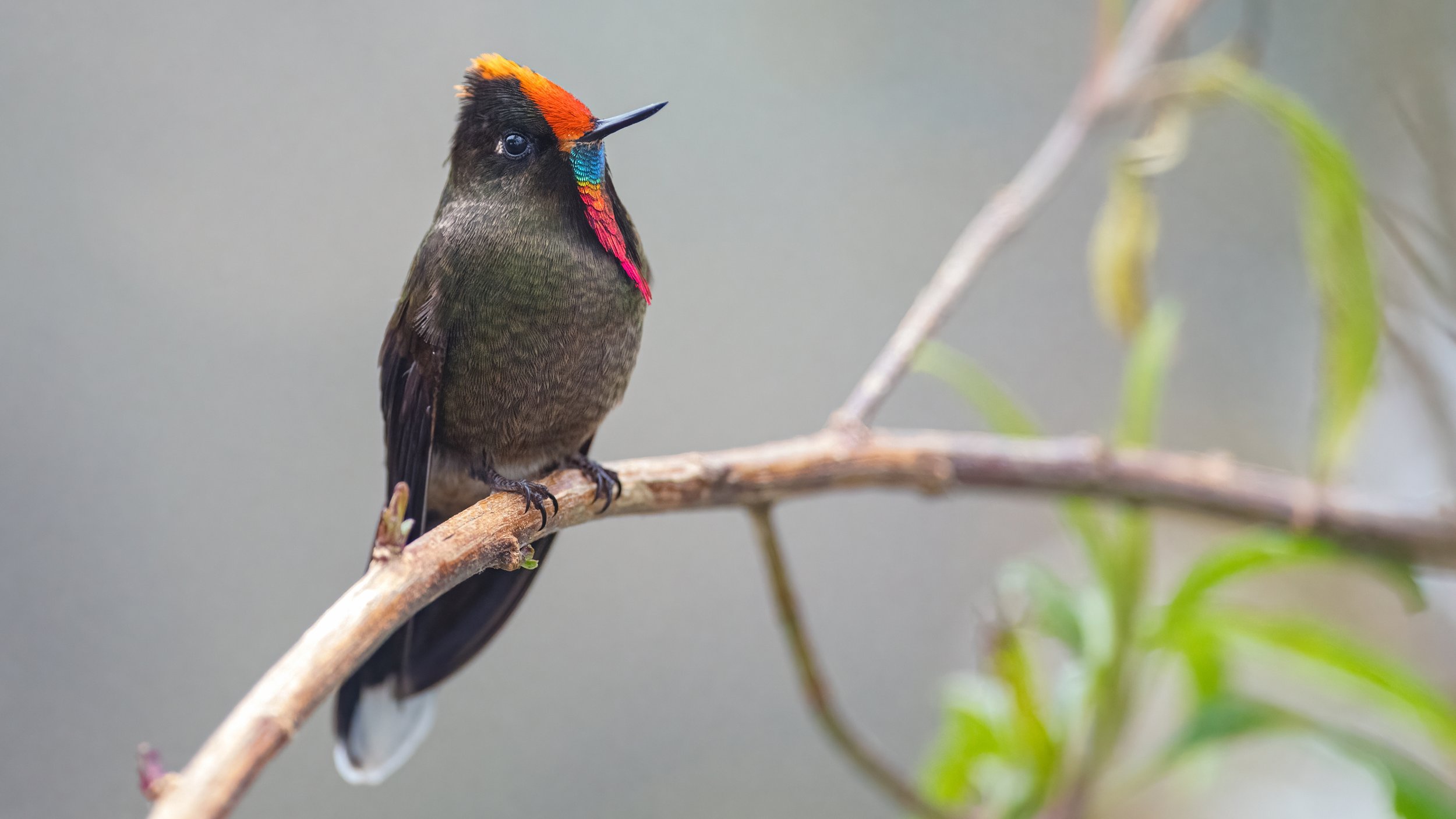
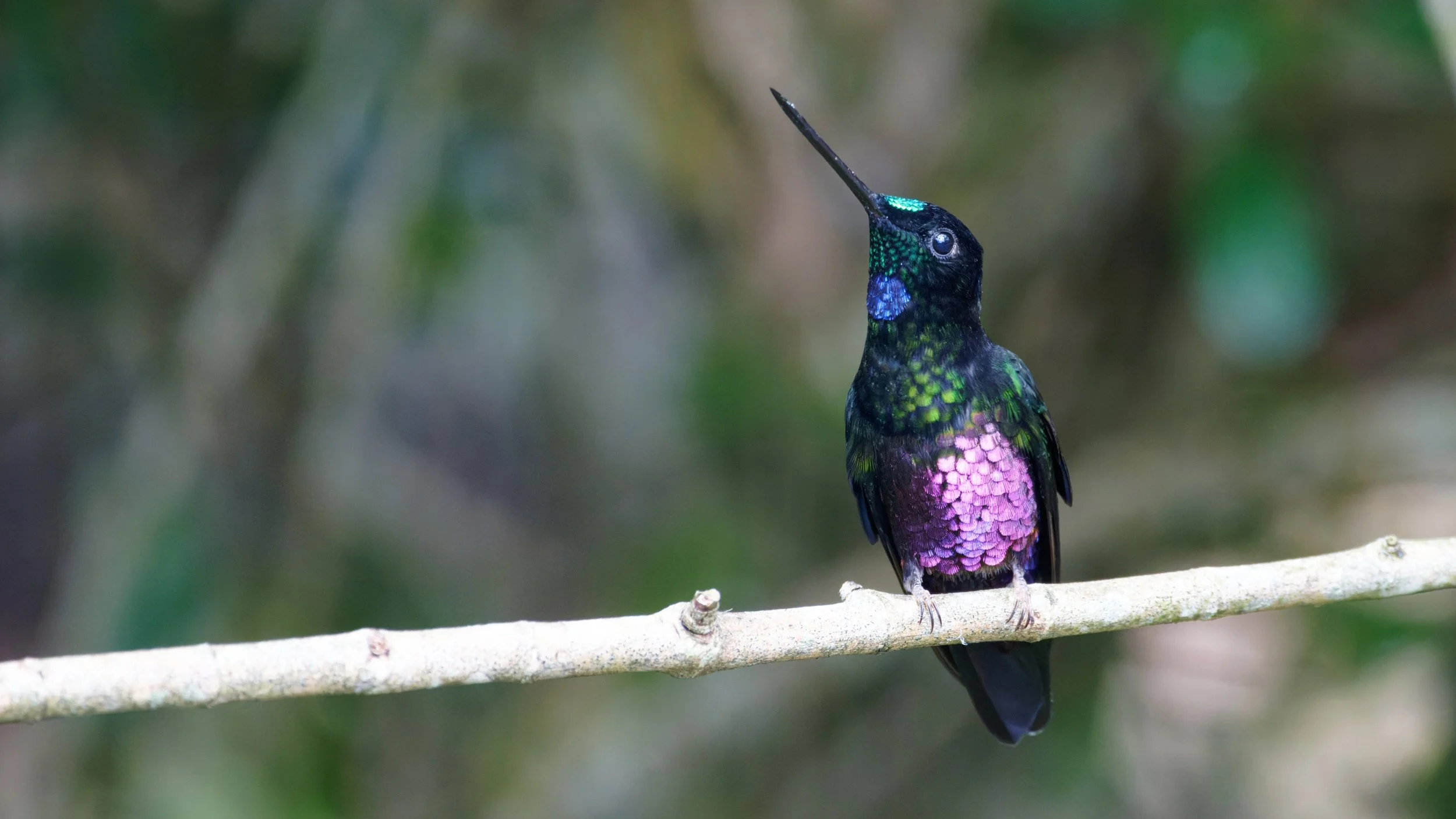
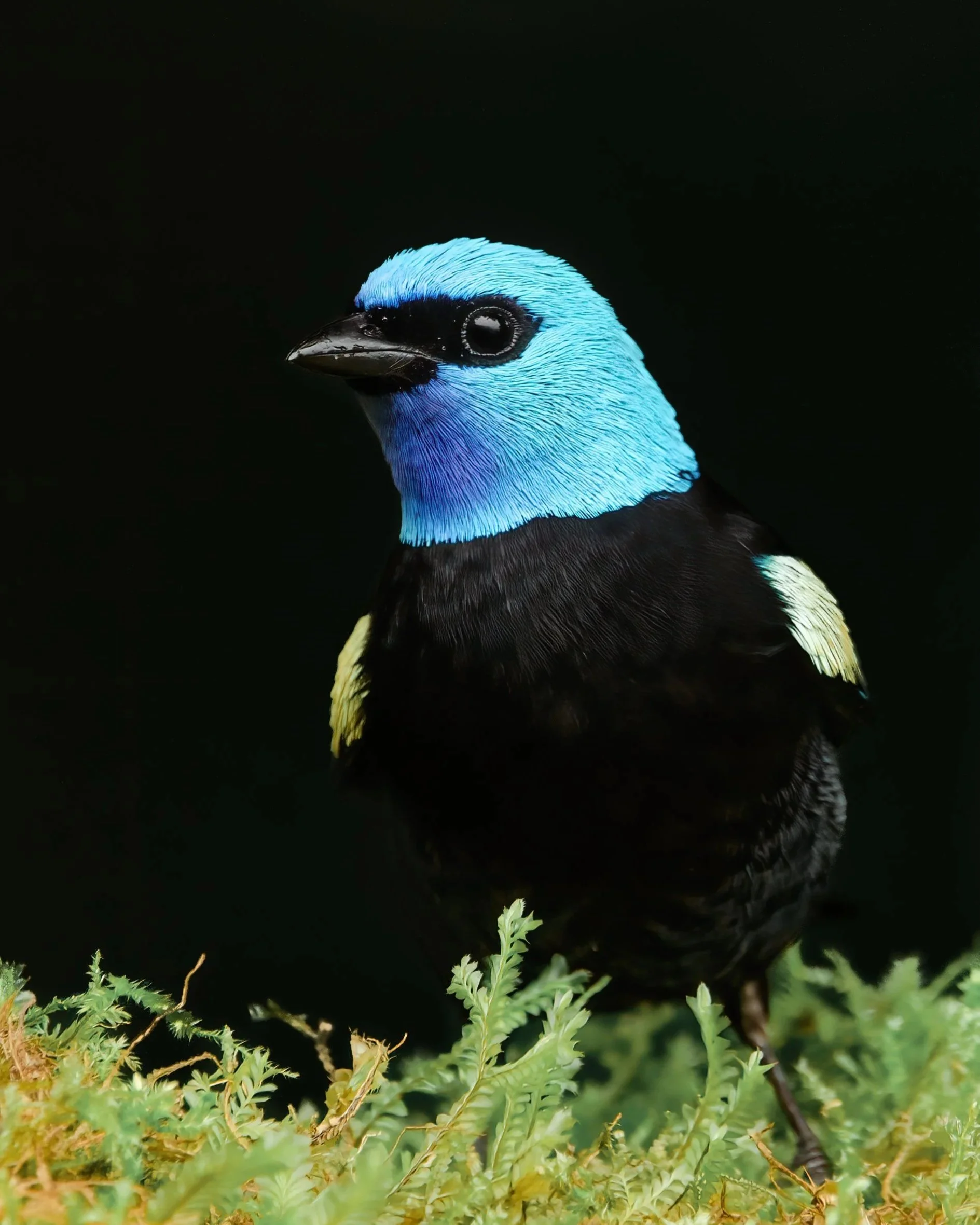
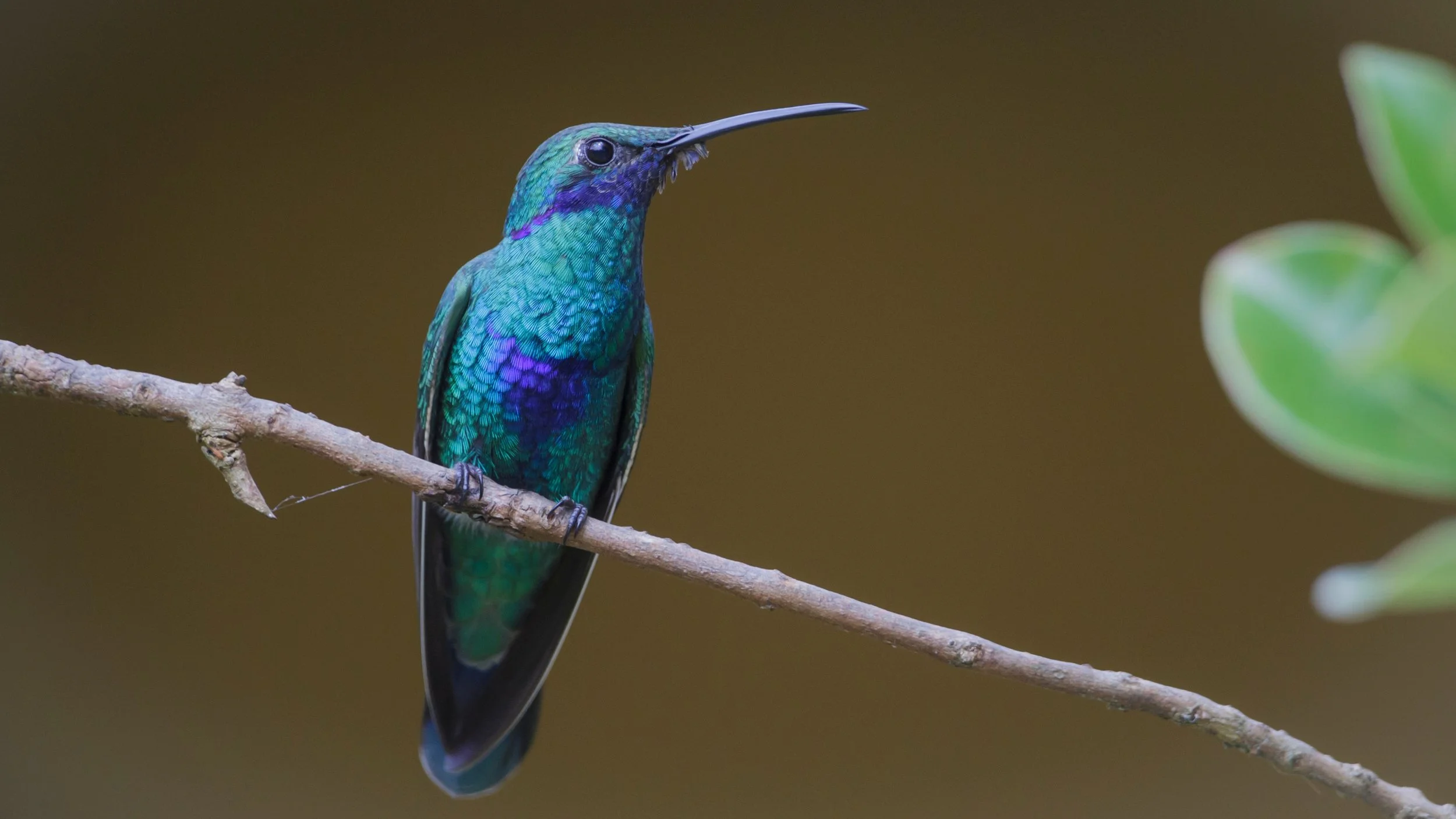
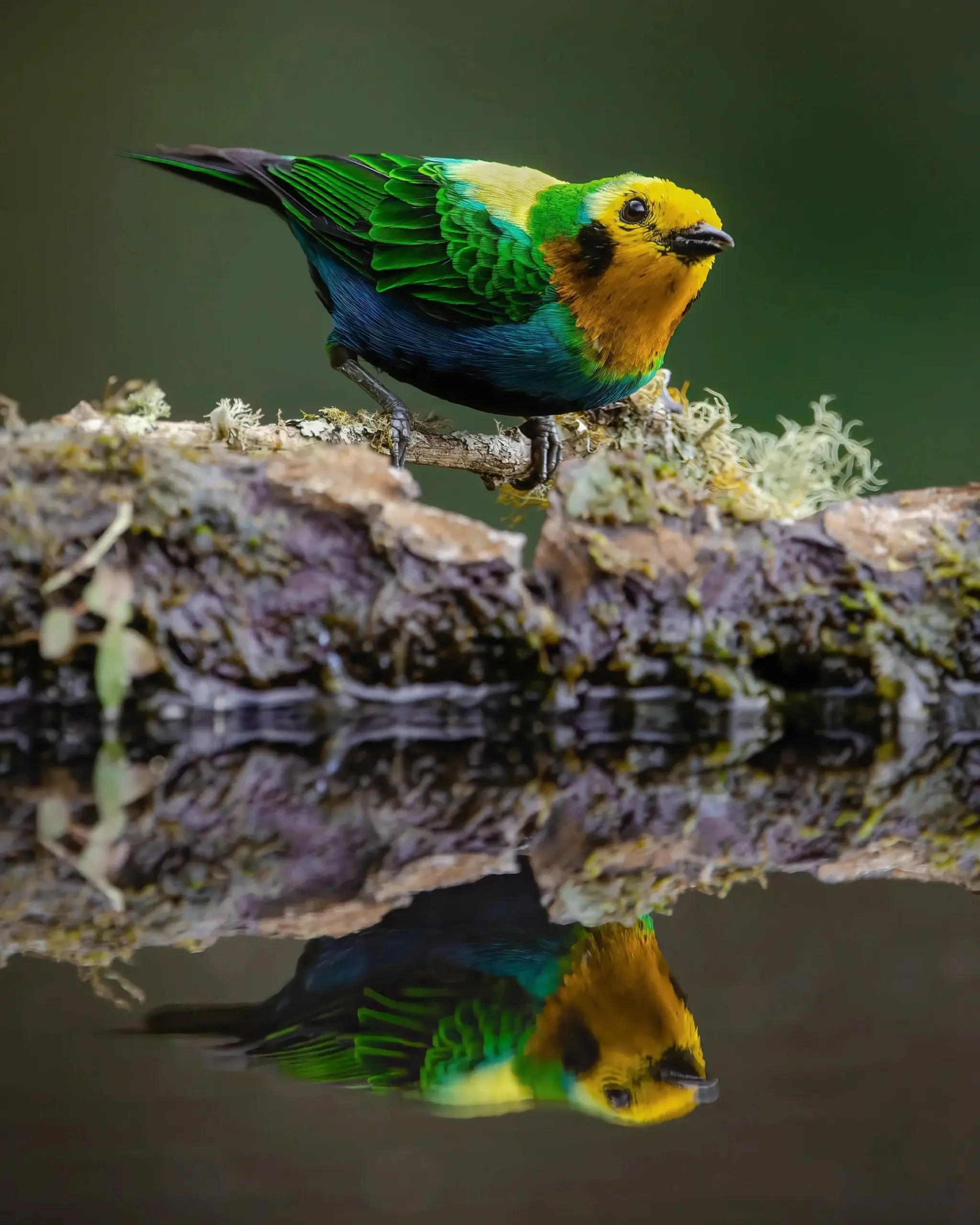
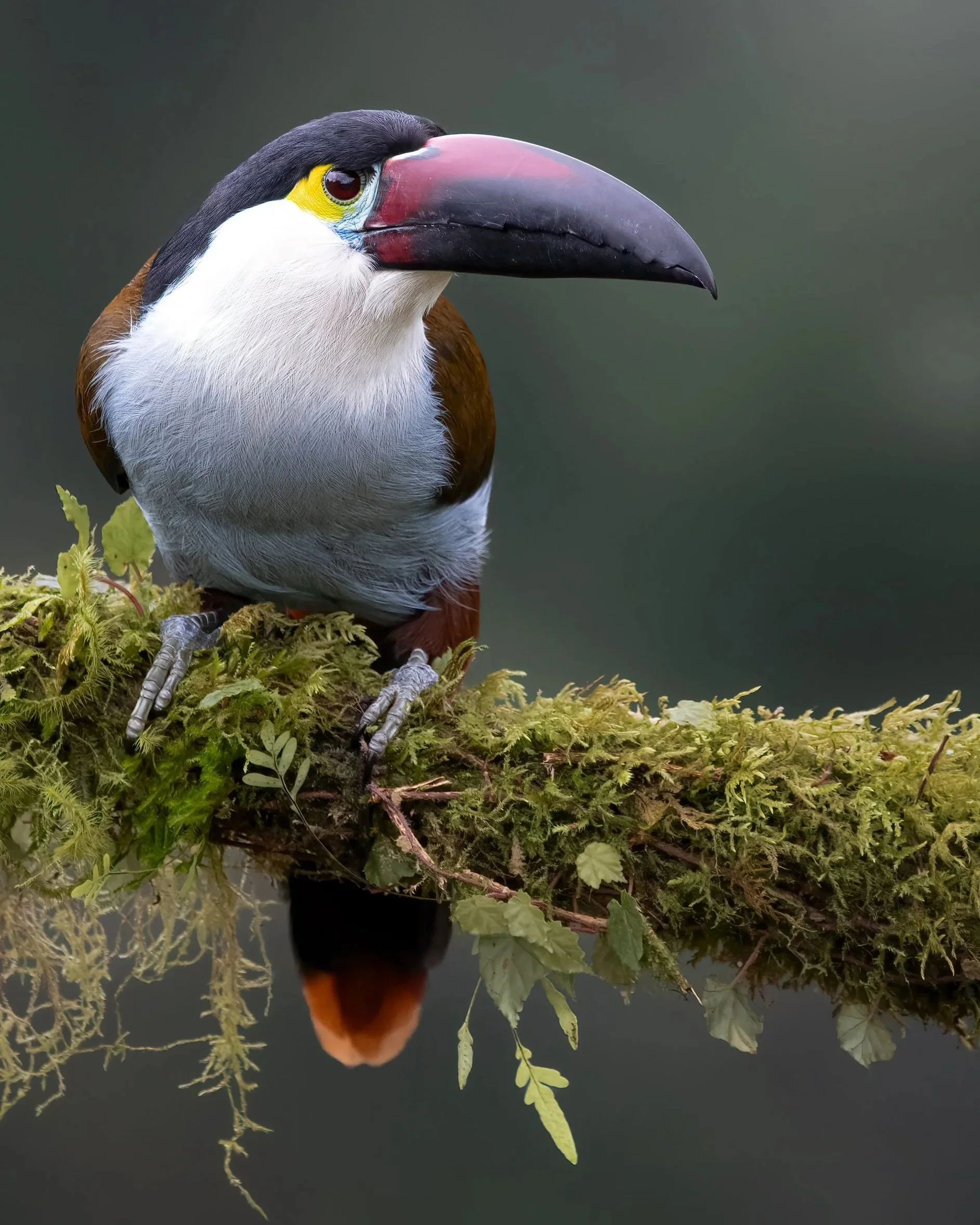
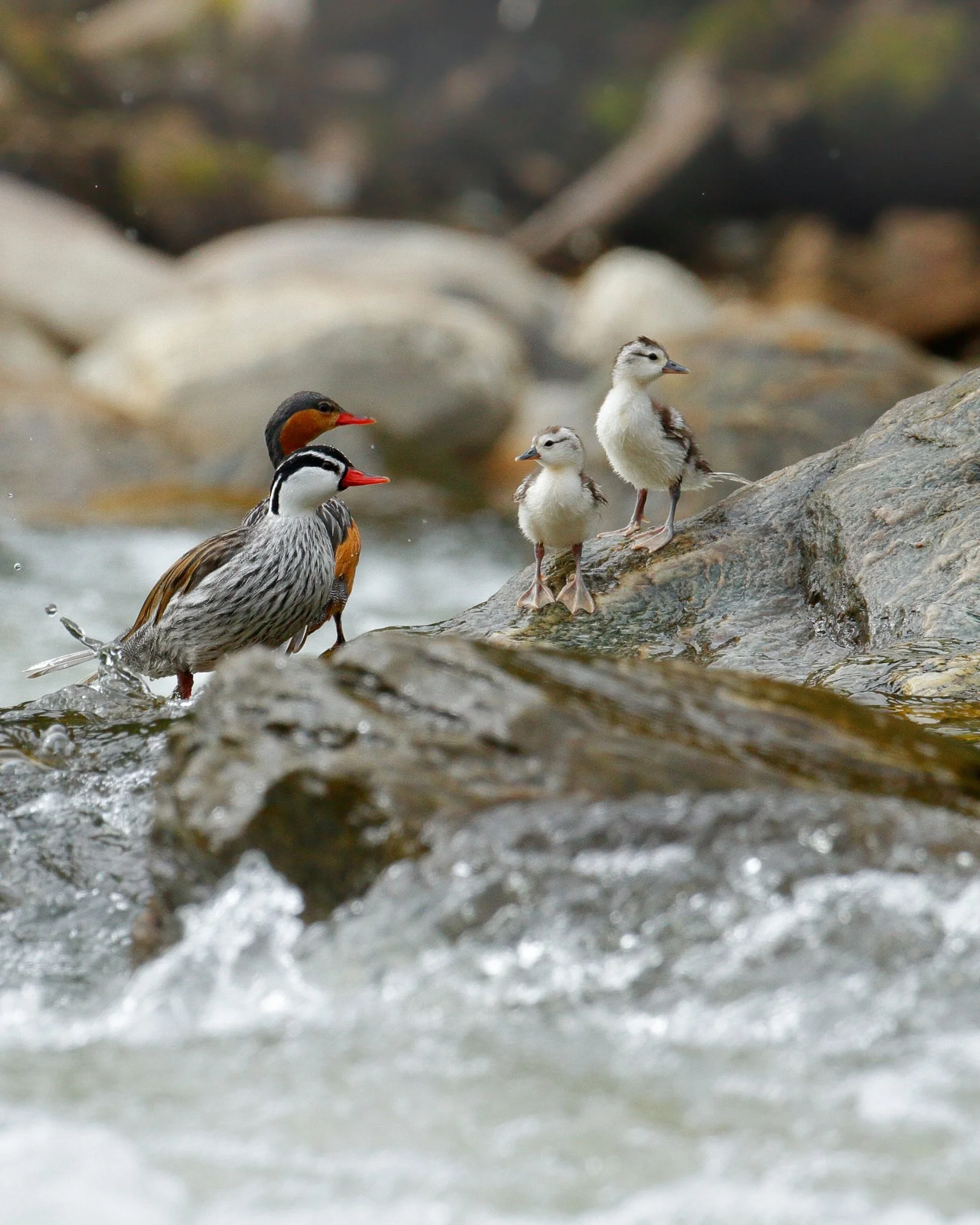
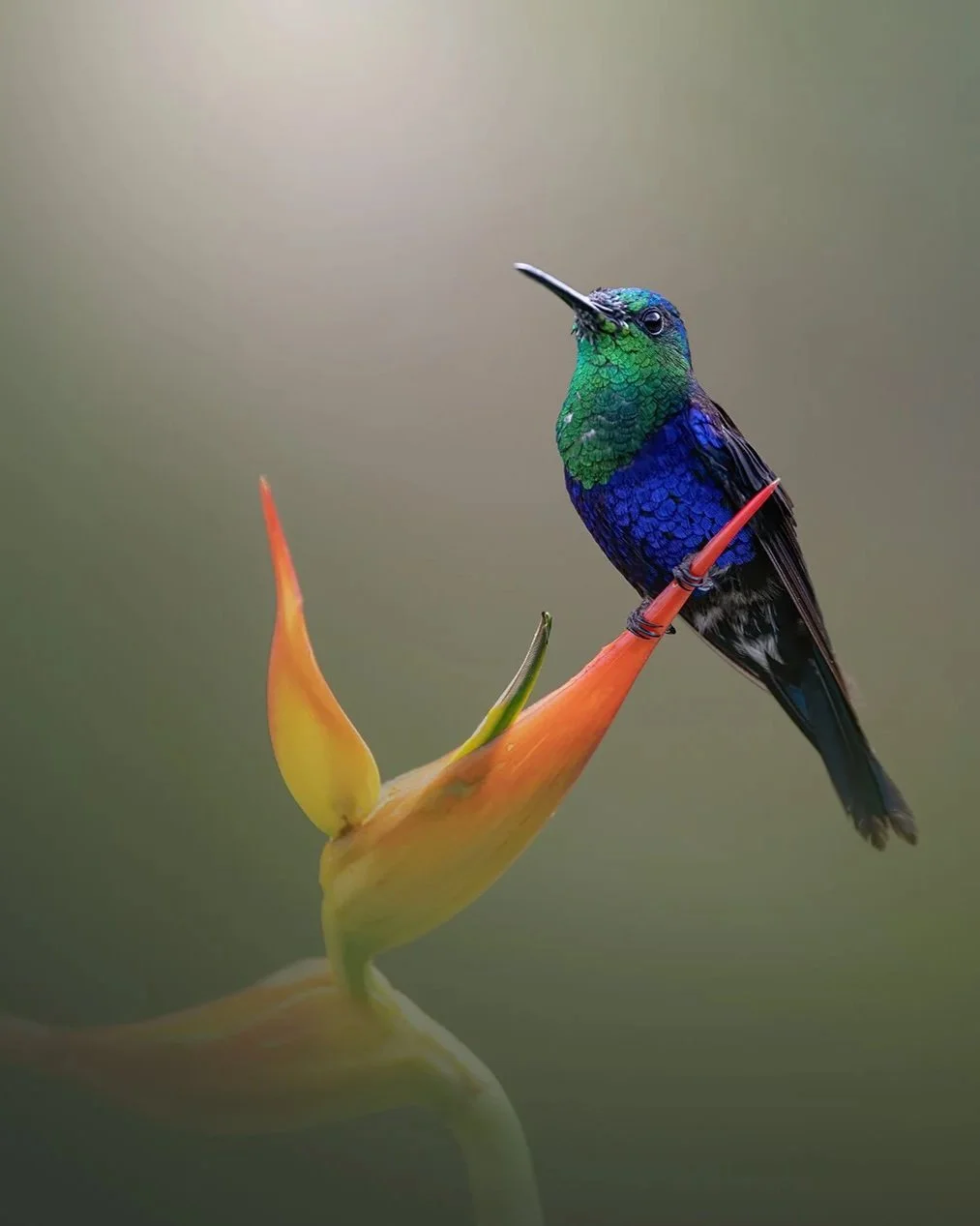
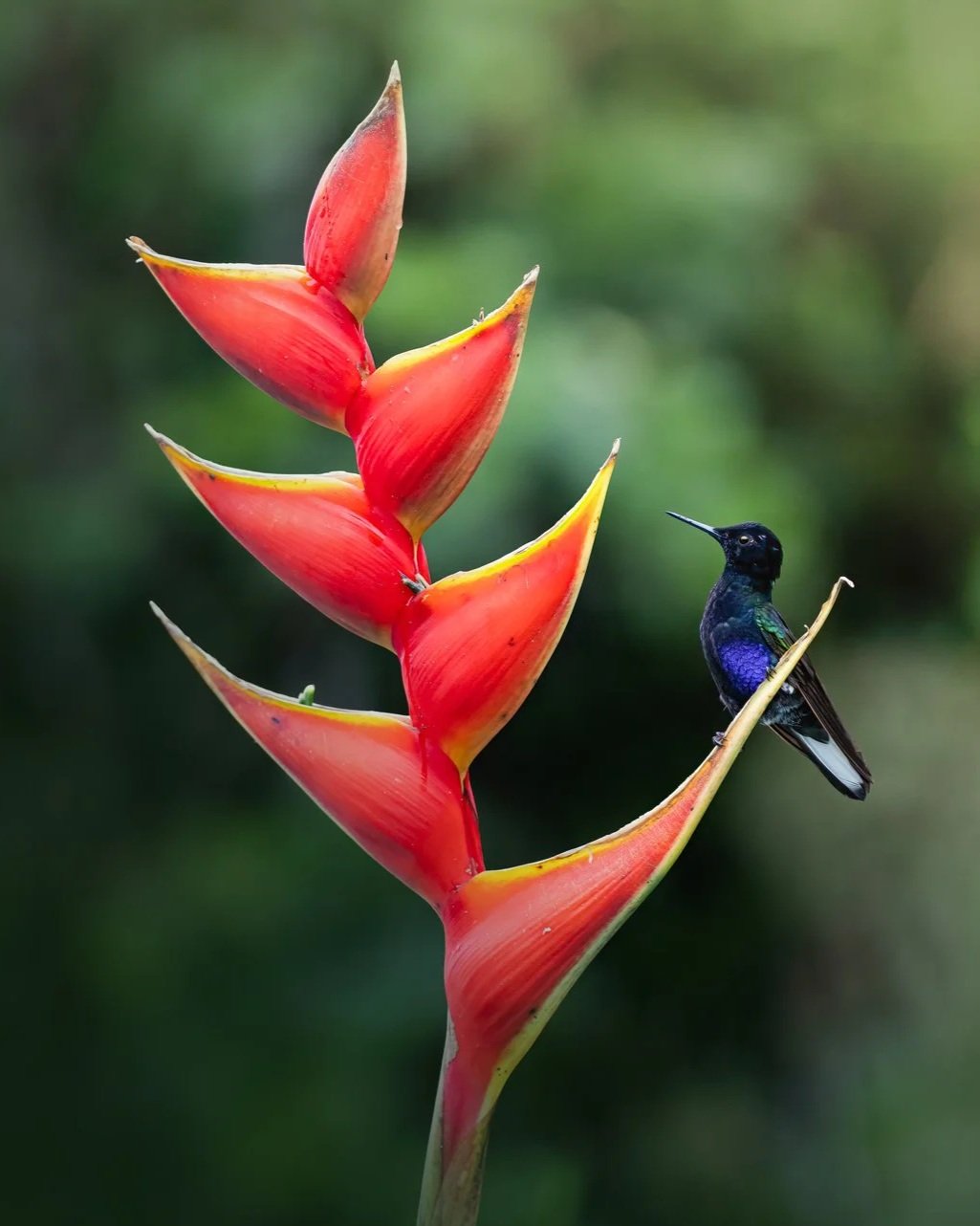
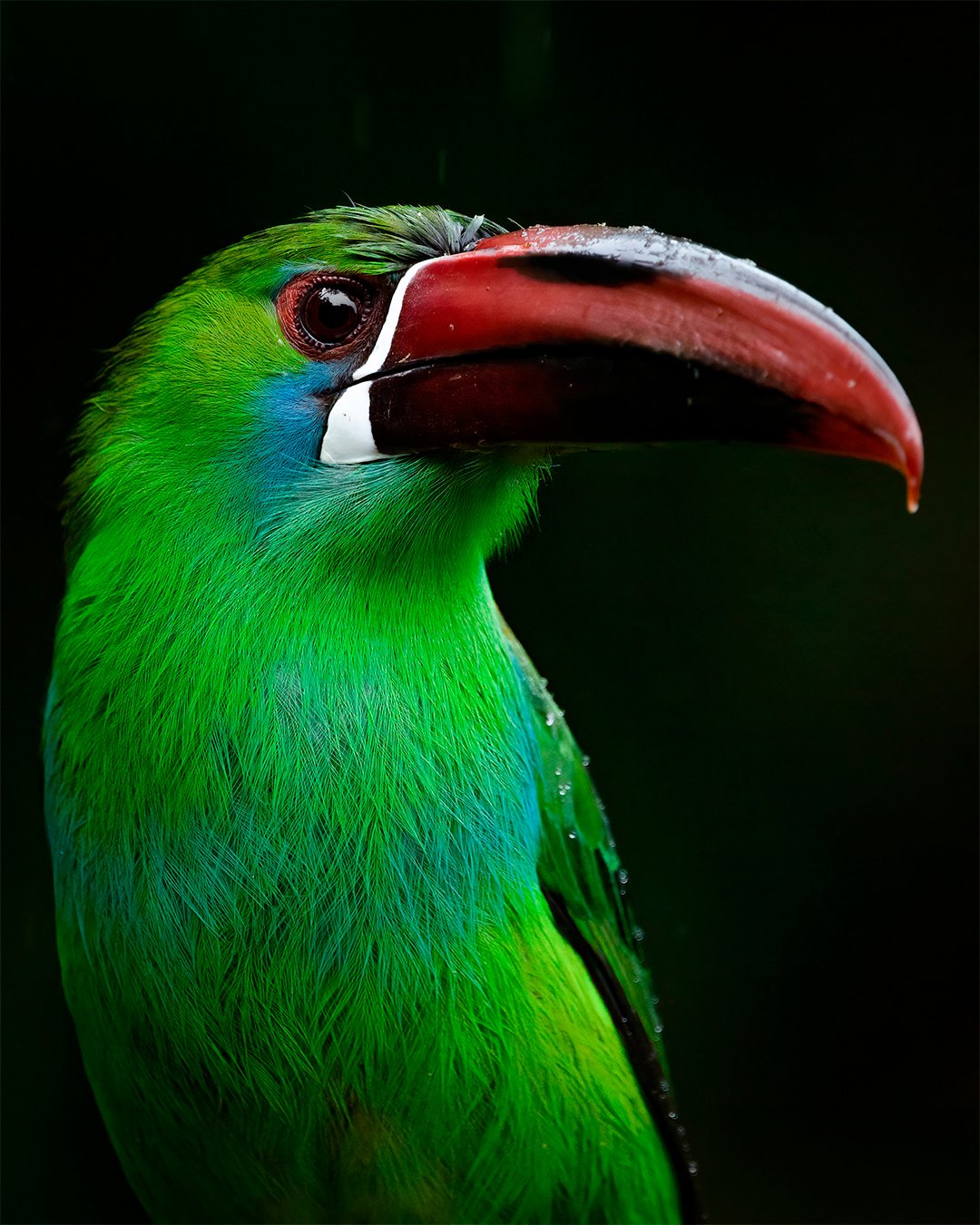
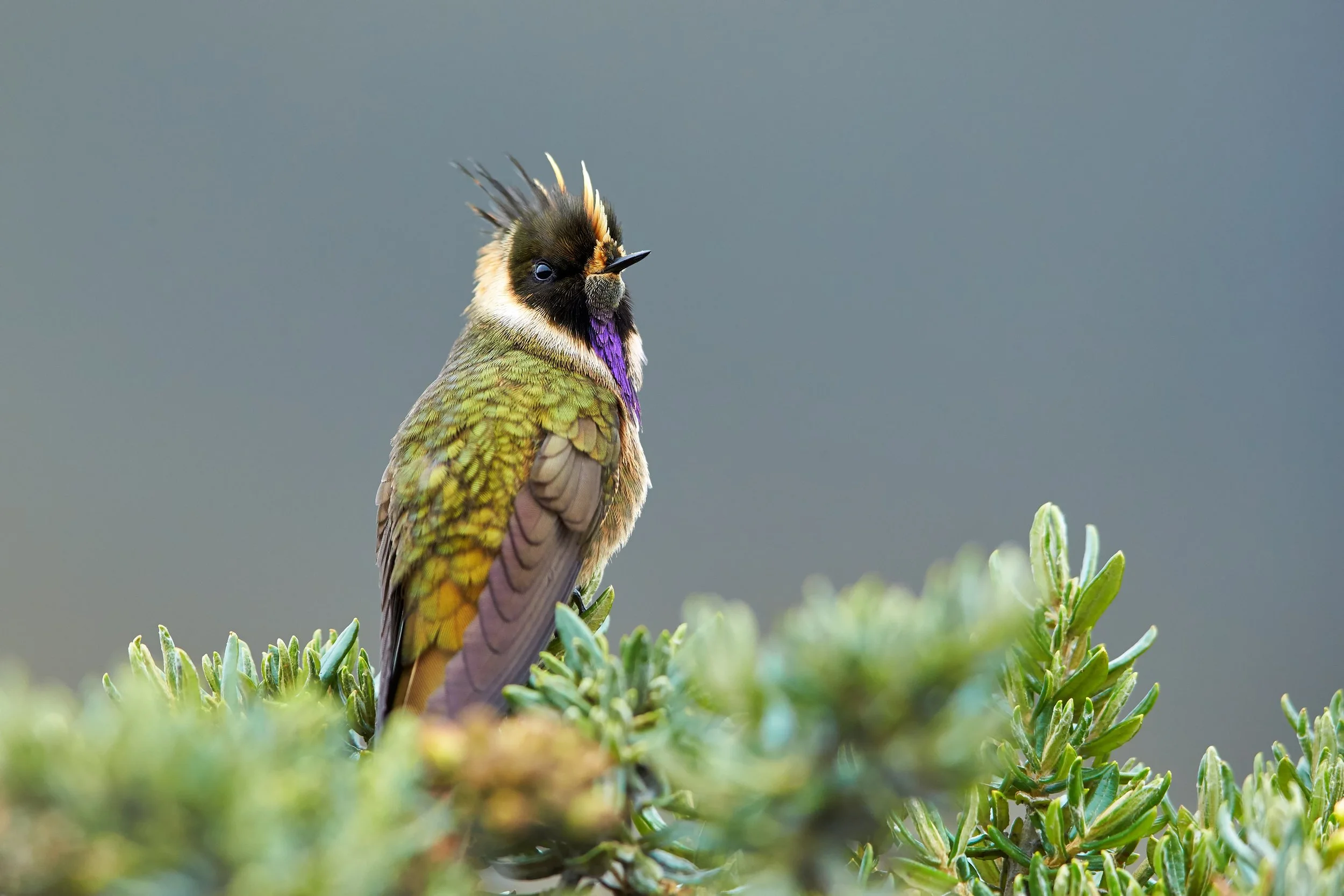
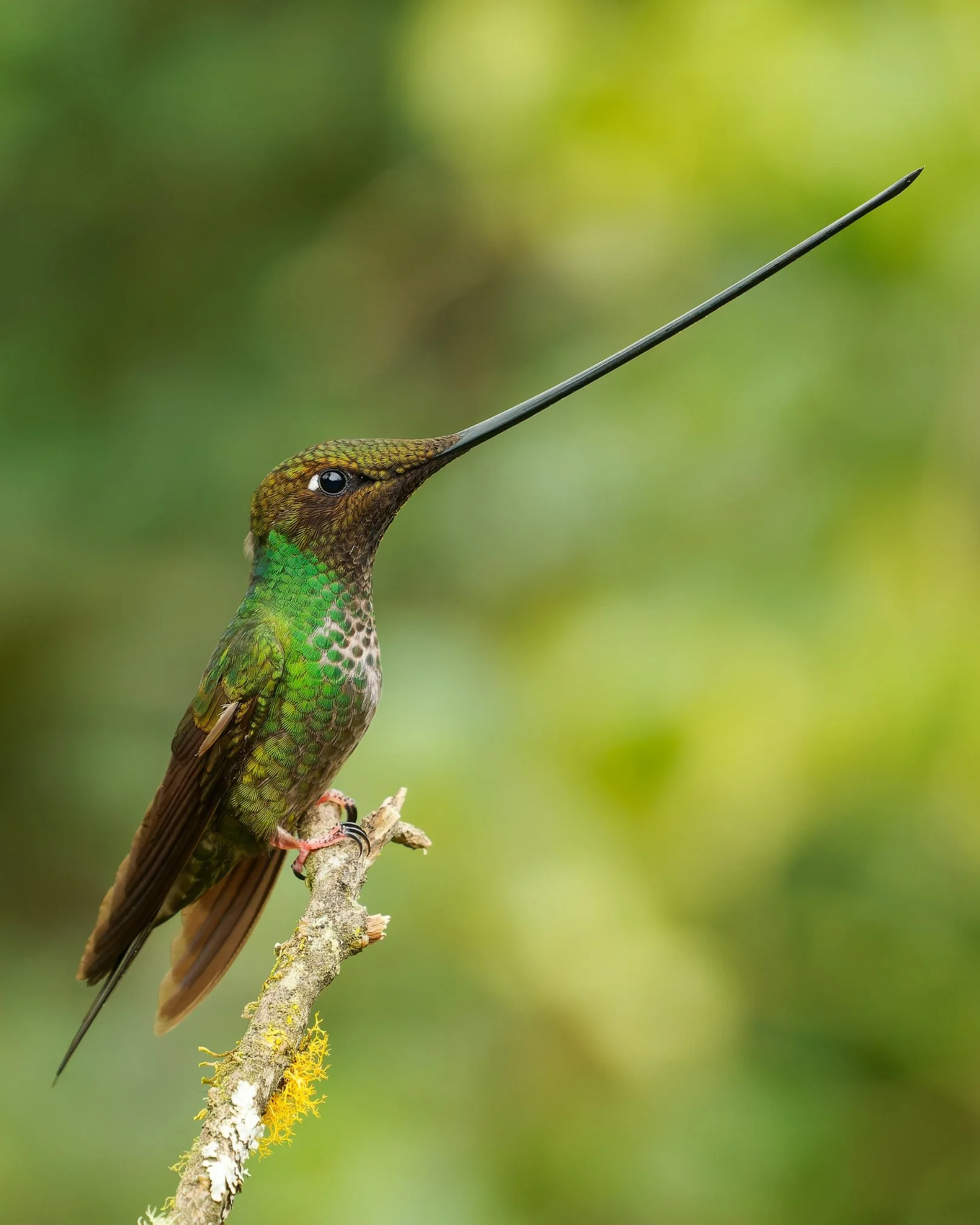
Included
- Single-occupancy lodging
- The in-country flight from Bogotá to Cali
- All airport transfers
- Meals and non-alcoholic beverages from lunch on Day 1 through breakfast on Day 10
- All entrance fees for the reserves and private properties
- Local, English-speaking guide services
Not included
- International airfare to and from Colombia
- Visa and related fees, if necessary
- Lodging before or after the scheduled dates
- Items of a personal nature (e.g., laundry, souvenirs)
- Travel insurance (highly recommended)
- Medical evacuation insurance (required)
- Gratuities for local guides, drivers, and lodge staff
- Incidentals incurred by participants at lodging
- Airline baggage fees beyond included bags, fees for excess weight with baggage
- Other items not expressly listed as included
Payment
$2,000 deposit. The final balance is due 120 days before the start date.
Insurance
Because the areas that offer the best opportunity for photography are remote and wild, medical evacuation insurance is required, with at least $250,000 in medical evacuation coverage. General travel insurance is highly recommended, but not required. We use and recommend Global Rescue.
What to expect
This is not a birding checklist trip. It's built for photographers who want to work a scene rather than glimpse it, with the time, access, and patience required to come home with images rather than sightings.
Days are unhurried by design, shaped around light and behavior rather than a schedule, in a small enough group that everyone gets real time at every hide and every perch. Colombia has spent decades rebuilding its reputation from the ground up, and the birding community has known for years what the rest of the world is only just discovering: this is one of the great wild places left, and right now is an extraordinary time to see it.
Your instructor
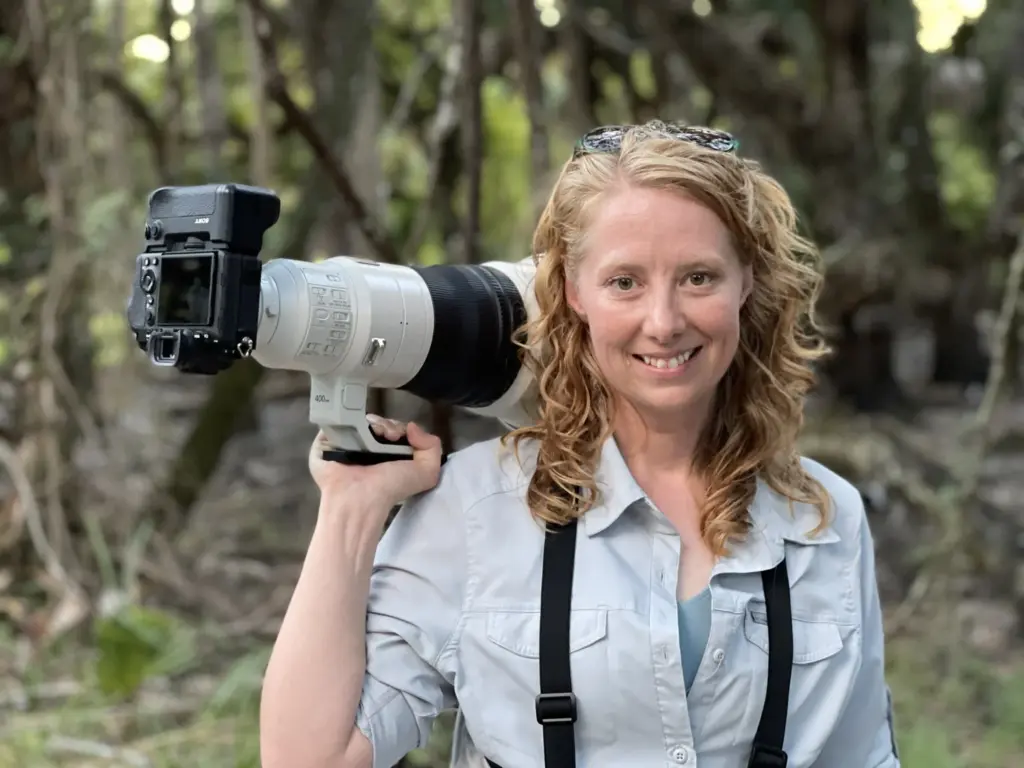
This workshop is led by Field & Frame founder Annalise Kaylor, in partnership with a local naturalist guide.
Meet AnnaliseQuestions
What is the workshop registration process?
Submit the form below to let us know that you’re interested in joining the workshop. Someone from our office will reach out to you with the registration paperwork and invoice for placing your deposit. Both the registration paperwork and the deposit must be completed before you are officially “registered” for the workshop. Most of our workshops end up with a considerable waiting list, so we allot two business days to complete the process before we move on toward the next person in the queue. Of course, we’re always happy to answer your questions before signing up, as well.
Is travel to Colombia safe?
Everyone has a different level of comfort that defines their personal safety. What counts as an acceptable level of risk is different for every traveler, shaped by experience, health, comfort with the unfamiliar, etc. The U.S. State Department currently places Colombia at Level 3, Reconsider Travel, the same tier assigned to a number of countries that draw millions of tourists every year without incident. That designation isn't a blanket statement that the whole country is dangerous, it reflects real risk concentrated in specific places, none of which are on our itinerary. Colombia is one of the fastest-growing eco-tourism destinations and welcomes millions of international guests every year. None of the workshop destinations are on the U.S. State Department Level 4 “Do Not Travel” list. Our stops are in rural reserves, private lodges, and national parks far removed from areas that occasionally make international headlines. Cali even hosted the 2024 UN Convention on Biological Diversity, welcoming delegates from nearly every country to discuss biodiversity protection, conservation strategies, and sustainable development. I build every itinerary around private transportation, vetted local partners, and guides who know these specific regions intimately and regularly bring their international clientele on a similar itinerary. Ordinary travel awareness still applies here the way it would in any unfamiliar country or city. None of that is unique to Colombia, and none of it should be mistaken for the country being uniquely dangerous. It's a country that has spent real years rebuilding, and the parts of it we visit reflect that. However, only you can determine your personal comfort level with any destination and should do your own research and decide accordingly.
How much physical activity is involved?
While not overly physical in nature, this workshop takes place in medium-to-high elevations which adds a level of physical difficulty. Even the most fit individuals feel the effects of walking, hiking, and working at elevation if they are not already acclimated to it. This workshop takes place in elevations between 3,500-13,500ft. Photographers should be comfortable walking up to a mile at a time while carrying their own gear.
What kind of clothing will I need?
Like many other outdoor photography trips, it’s helpful to have some layers and prepare for fluctuating temperatures. The mornings and late evenings can be a little bit cool, but once the sun comes up, temperatures swiftly climb. We recommend wearing lightweight and quick-drying clothing including long pants and long-sleeve shirts. We send out a comprehensive workshop guide for each one of our trips, filled with information about what to expect for weather, gear recommendations, clothing recommendations, and other details that will help you feel completely prepared. In addition, we do a group Zoom call about three months ahead of your trip. This allows you to meet everyone before you travel together and ensures that everyone’s questions are answered and we’re all on the same page.
My spouse/friend/partner isn't a photographer, can they join?
Absolutely! We welcome non-photographers, as well. However, please note that there is not a discounted price should they decide to join us, as they are filling a spot that would otherwise be booked by another photographer.
Why is medical evacuation insurance required?
Because the areas that offer the best opportunity for photography are remote and wild, we require medical evacuation insurance. Your chosen independent insurance plan should include at least $250,000 in medical evacuation coverage. The highest elevation we’re working at is 13,500 feet, which typically does not require a special “high altitude” evacuation, but check first with your provider. We also strongly recommend general travel insurance, though this coverage is optional. Please feel free to reach out with additional questions.
What is your cancellation policy?
We understand that cancelling a long-anticipated trip is disappointing. But we, too, plan far ahead before each departure and continuously send non-refundable payments to hotels, other suppliers, and travel partners. Therefore, we must strictly adhere to the cancellation and refund policy. We strongly suggest that you purchase travel insurance in the event that your travel plans change or you need to cancel your trip. The following are the terms of our cancellation and trip change policy:
Cancellation and refund policy:
Deposits are non-refundable after a 10-day grace period.
If you cancel within the grace period, we will refund your deposit to the original form of payment, minus a $250 administrative fee and any payment processing fees incurred.
After the grace period, no refunds will be issued unless we can fill your spot. If we can fill your spot, we will issue a refund minus a $250 administrative fee and any payment processing fees incurred. That refund will be issued when the payment for the replacement participant has cleared.
Final payment deadlines:
U.S.-based workshops: Final balance is due 90 days before the start date.
International workshops: Final balance is due 120 days before the start date.
By booking, you acknowledge and accept these terms. If you have any questions, we’re happy to help clarify before you commit to joining us.